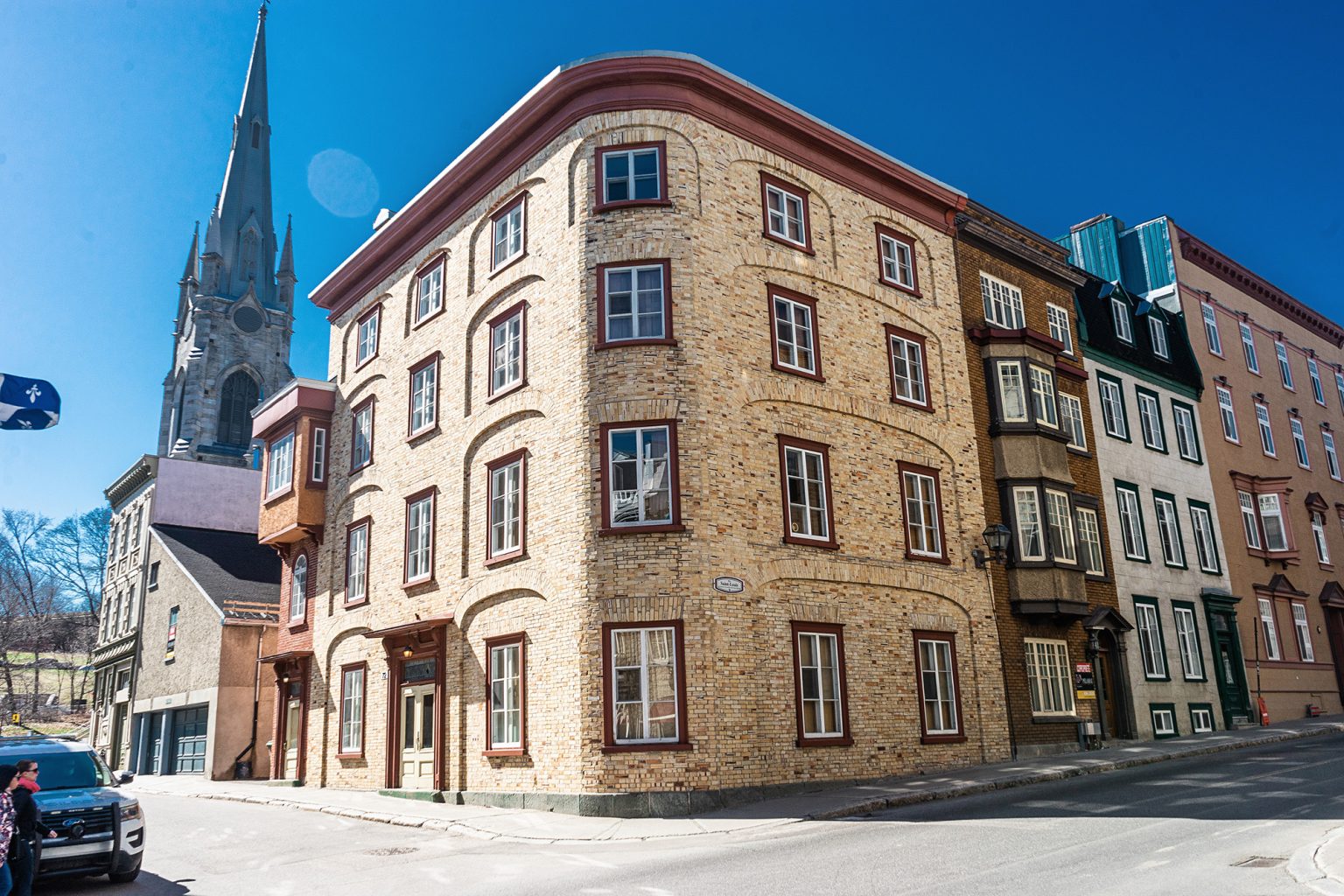
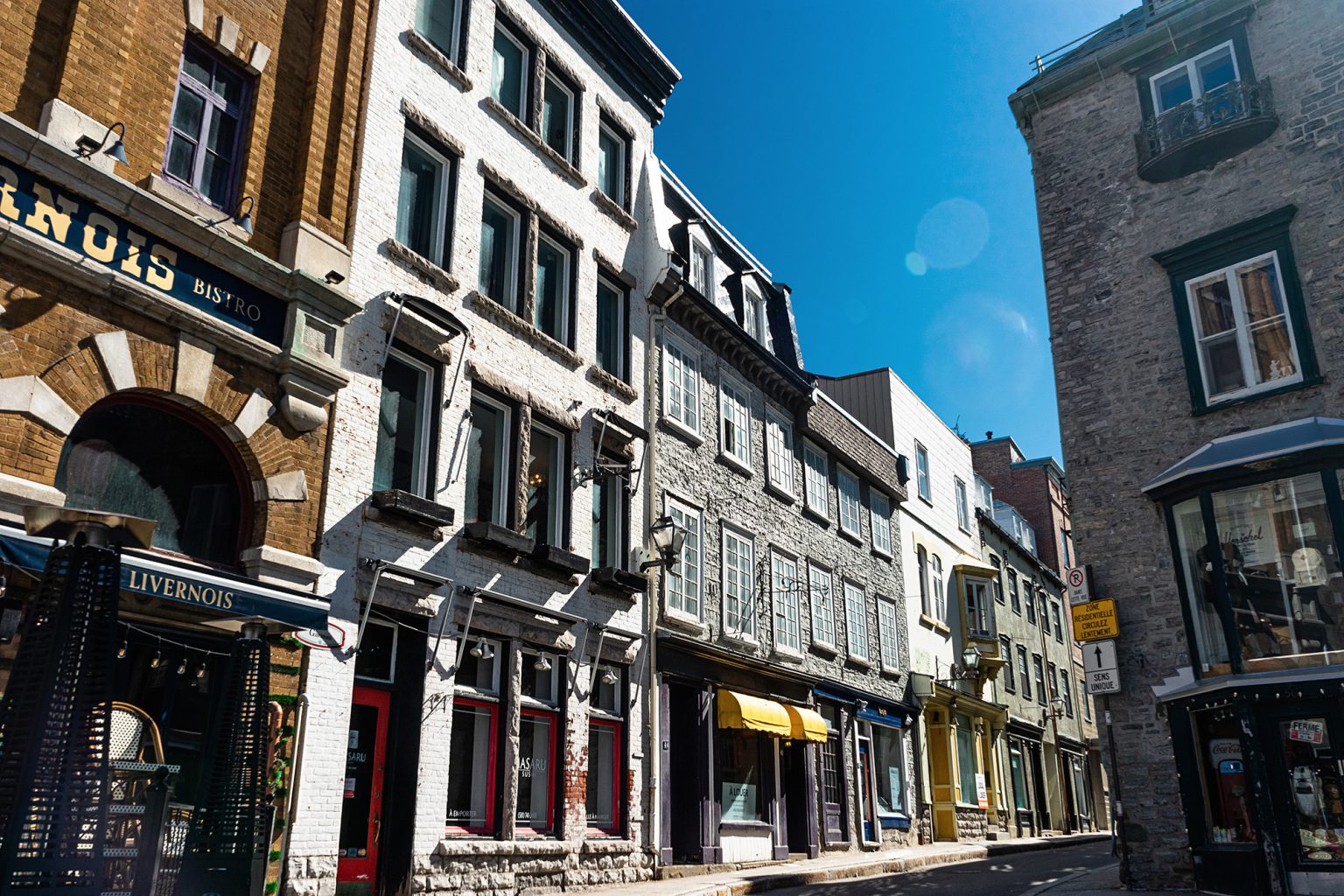
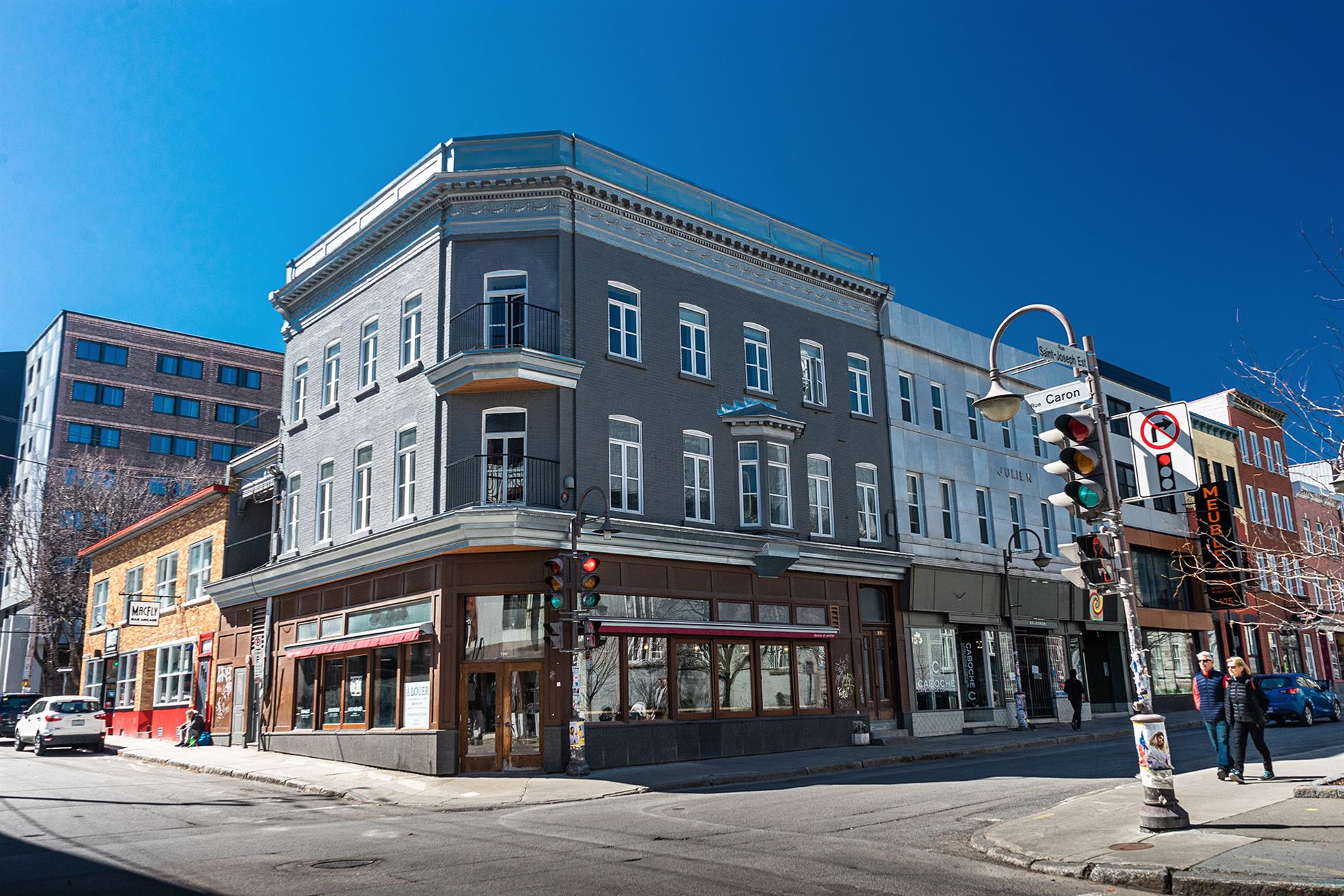
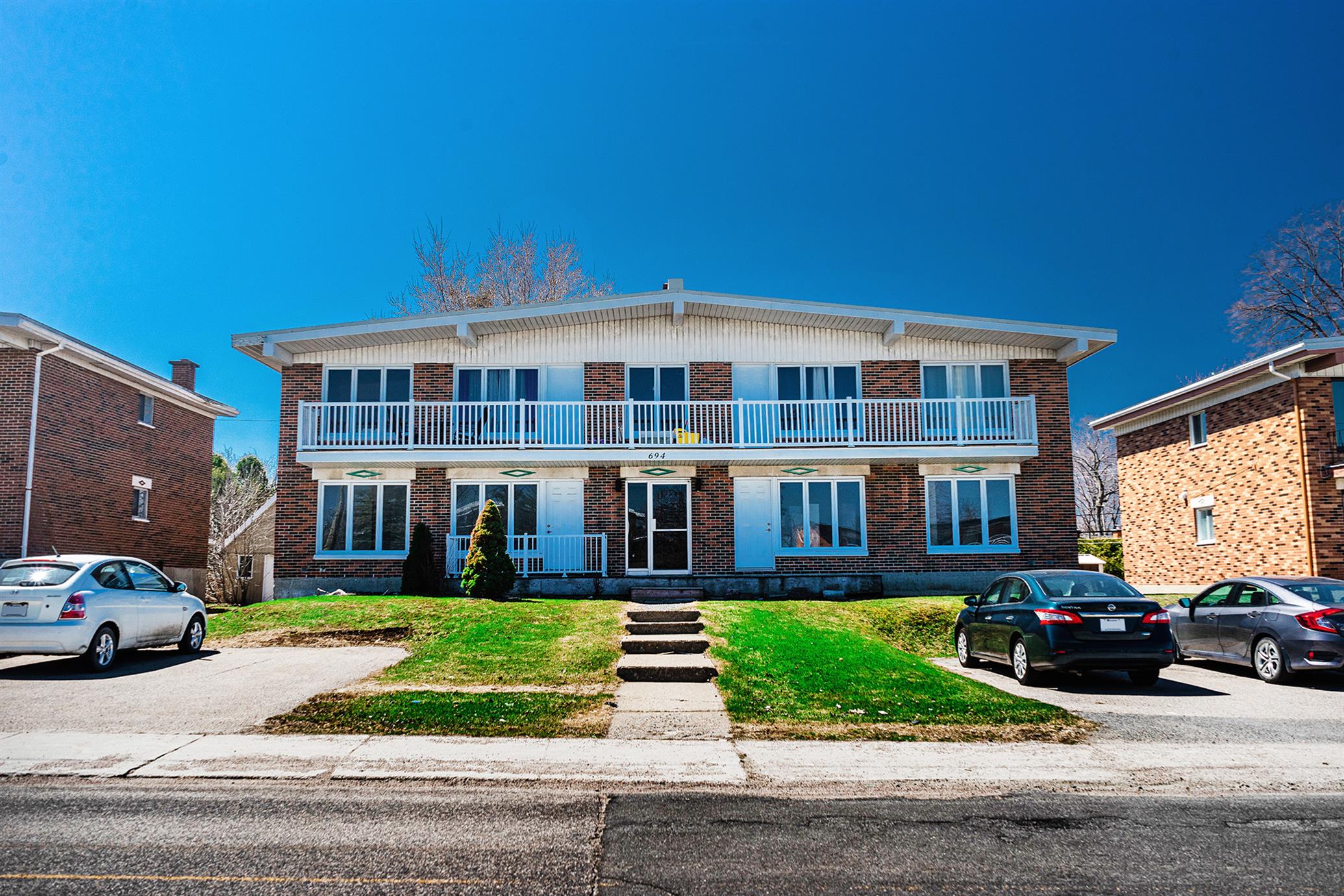
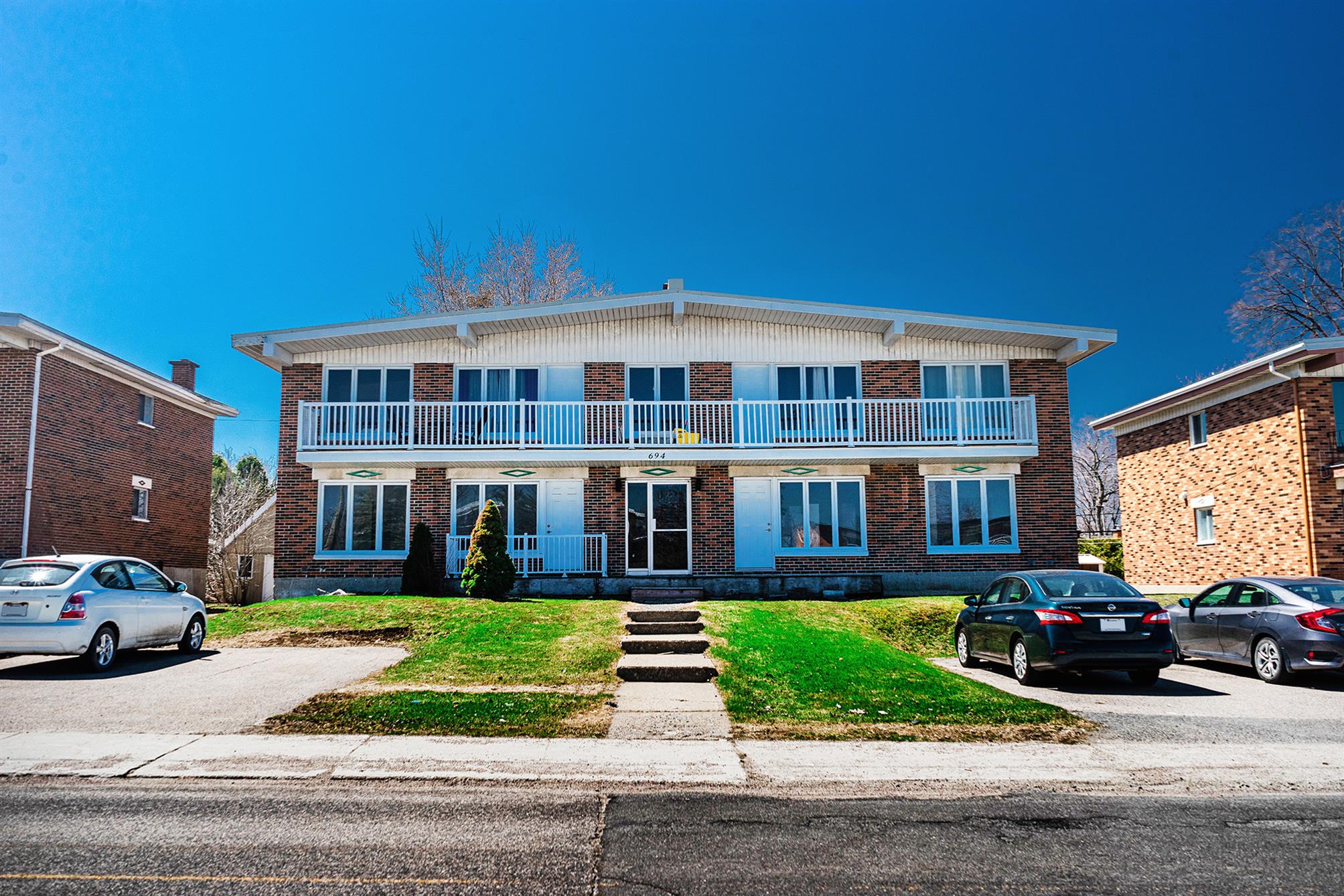
Knowing what to inspect when viewing a home is the skill that separates confident Quebec buyers from anxious ones in 2026. A listing photo and a fifteen-minute walkthrough can hide a great deal — and in a province where freeze-thaw winters, aging housing stock, and well-known foundation issues are part of the landscape, the cost of missing something can run into the tens of thousands. The good news is that you don’t need to be a building expert to spot the warning signs that matter. You need a method: a consistent way to read a home from the outside in, so you can tell the difference between cosmetic flaws you can live with and structural problems you can’t.
This walkthrough guide gives you that method, tuned to the homes you’ll actually find across Quebec City, Lévis, and the surrounding regions.
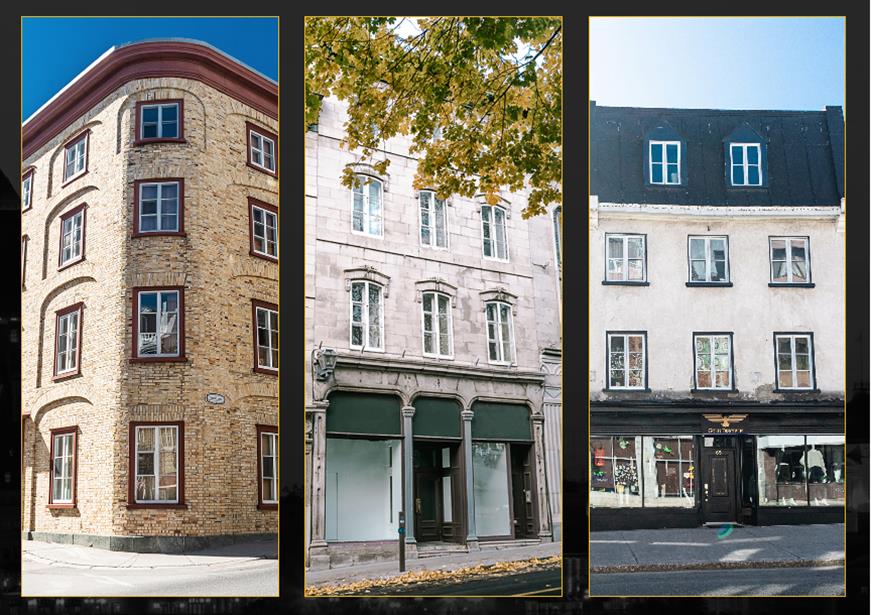
Start Outside — The Exterior Signals That Matter Most
Begin your inspection before you walk through the door, because the exterior tells you how well the home has been maintained. The way water, snow, and ice move around a property predicts most of the expensive problems you’ll find inside.
Walk the perimeter and look for a few specific things. Check that the ground slopes away from the foundation rather than toward it, since poor grading is the most common cause of basement water in Quebec. Look at the roofline for sagging, missing shingles, or patched sections, and note the apparent age of the roof. Examine gutters and downspouts to confirm they carry water well away from the walls.
Pay attention to the exterior cladding too. Brick, stone, or masonry showing stepped cracks, bulging, or crumbling mortar can signal movement that’s worth investigating. None of these observations is automatically a deal-breaker, but together they form a picture of whether the home has been cared for or quietly neglected.
The Foundation and Basement — Where Quebec Homes Reveal Their Age
The basement is where Quebec homes are most likely to expose serious, costly issues, so inspect it carefully and without rushing. This is the single most important room in the house for a buyer.
Look closely at the foundation walls for cracks, particularly horizontal cracks or ones wider than a few millimetres, which can indicate structural pressure rather than normal settling. Check for water staining, efflorescence (a white mineral residue), a musty smell, or a sump pump working overtime — all signs of moisture intrusion. In certain regions of Quebec, buyers should also be aware of foundation problems linked to pyrite and pyrrhotite in older concrete, which can cause swelling and cracking over time. If a property sits in an area historically affected, that alone justifies a specialized inspection.
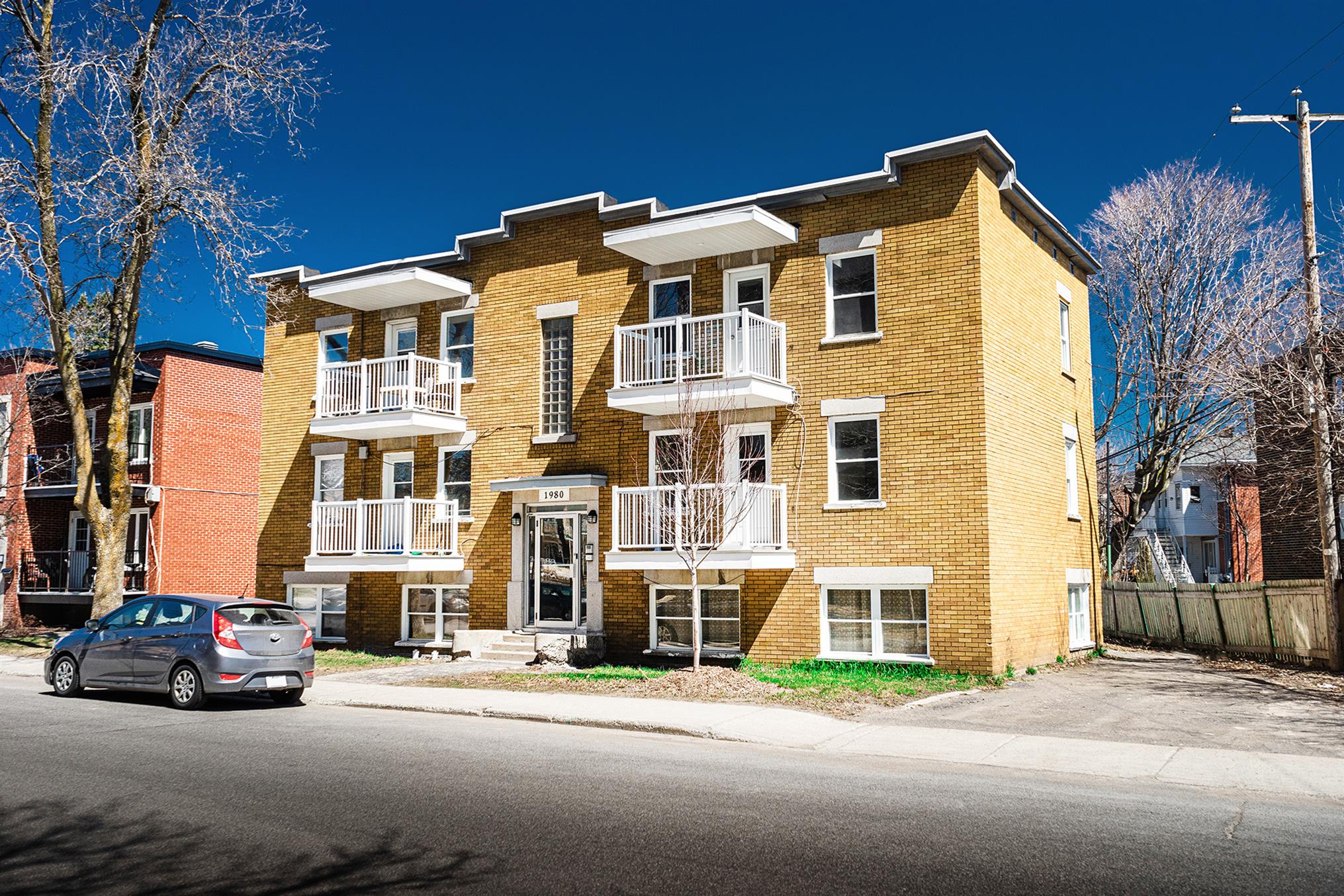
Don’t be reassured by a freshly painted basement. Fresh paint over a foundation wall sometimes covers stains a seller would rather you didn’t see. If anything about the basement feels off, treat it as a question to answer rather than a detail to overlook.
Windows, Insulation, and How a Home Handles Quebec Winters
A home’s ability to handle winter is a core part of its value in Quebec, so assess the envelope and heating with that season in mind. Comfort and energy cost both live here.
During the viewing, check the following:
- Windows — note their age and condition, look for condensation or fogging between panes (a sign of failed seals), and feel for drafts near frames.
- Insulation and attic — ask about insulation levels and, where accessible, look for signs of adequate, dry, evenly distributed insulation.
- Heating system — identify the type (electric baseboard, heat pump, dual-energy, or other), its age, and recent servicing.
- Drafts and cold spots — walk the rooms and notice any areas that feel noticeably colder, especially near exterior walls and corners.
An older home isn’t disqualified by dated windows or a modest heating setup, but these items have real replacement costs, and knowing them lets you budget honestly and negotiate from a position of information rather than surprise.
Plumbing and Electrical — The Costly Systems to Check Early
Plumbing and electrical problems are expensive to fix and easy to miss, so check them before you fall in love with the kitchen. These systems quietly determine how much you’ll spend after closing.
For plumbing, run taps to check water pressure, look under sinks for leaks or water damage, and try to identify the pipe material — older galvanized steel pipes often need replacing. Note the water heater’s age and condition. For electrical, find the panel and check its capacity and apparent age; very old panels or any sign of outdated wiring in older homes deserve professional review before purchase. Count the outlets in key rooms, since a shortage hints at an older system that hasn’t been updated.
You won’t fully evaluate these systems in a single visit, and you shouldn’t try to. The goal at the viewing stage is to flag anything that warrants closer inspection, so a qualified professional can examine it before you commit.
Signs of Water, Mould, and Hidden Moisture
Moisture is the quiet destroyer of homes, so train your senses to detect it throughout the visit. Water damage is often more about what you smell and feel than what you see.
As you move through each room, watch for staining on ceilings (especially below bathrooms and around chimneys), bubbling or peeling paint, warped flooring, and any persistent musty odour. Inspect bathrooms and around windows for soft spots, discoloured caulking, or visible mould. Don’t ignore a faint smell of air freshener or fresh paint in one room only — sometimes it’s innocent, and sometimes it’s masking a problem.
Hidden moisture matters because it rarely stays hidden, and because by the time it’s visible the underlying cause has usually been at work for a while. Catching the early signals during a viewing gives you the chance to ask the right questions before the problem becomes yours.
Red Flags That Should Prompt a Professional Inspection
Some findings mean you should not proceed without a pre-purchase inspection, full stop. A walkthrough identifies concerns; a certified inspector confirms or rules them out.
Treat the following as triggers for a professional evaluation:
- Horizontal or wide foundation cracks, or any sign of structural movement
- Evidence of recurring water intrusion or active leaks
- An aging or apparently modified electrical panel, or outdated wiring
- Visible mould, or musty smells you can’t trace to an obvious source
- A roof at or beyond the end of its expected life
- A home in a region historically associated with pyrite or pyrrhotite concerns
In Quebec, a pre-purchase building inspection by a qualified inspector is widely recommended, and the province’s real estate regulator, the OACIQ, provides guidance on what a proper inspection should cover. Building an inspection condition into your offer protects you, and a thorough report often pays for itself many times over in either avoided repairs or stronger negotiating leverage.
Questions to Ask Before You Leave the Viewing
The questions you ask at the viewing reveal almost as much as the home itself. A seller’s answers — and their willingness to answer — tell you how forthcoming the transaction is likely to be.
Before you leave, ask about the age of the roof, windows, heating system, and water heater; the history of any renovations and whether they were permitted; any past water damage, flooding, or foundation repairs; and the typical heating costs across a full year. In Quebec, ask to review the seller’s declaration, which is intended to disclose known defects and issues with the property.
Take notes and photos as you go, because by the third or fourth viewing the details blur together. The more disciplined your process, the easier it becomes to compare homes objectively and act decisively when the right one appears. Once you’ve found it, having your financing in order matters just as much — our guide to mortgage pre-approval in Quebec in 2026 explains how to use it to buy smarter, and if you’re selling, our breakdown of how to increase your home value before selling shows which improvements buyers actually notice.