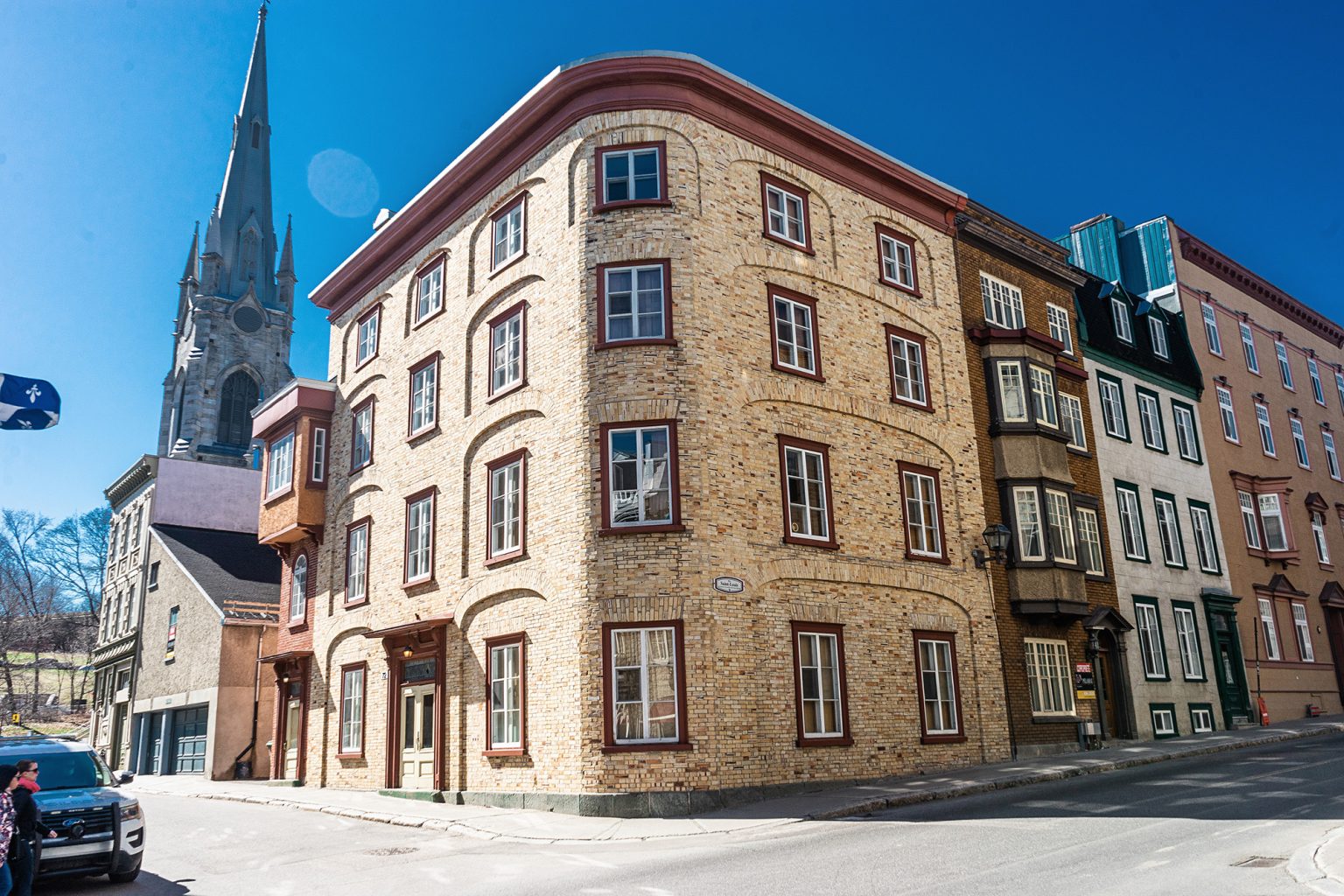
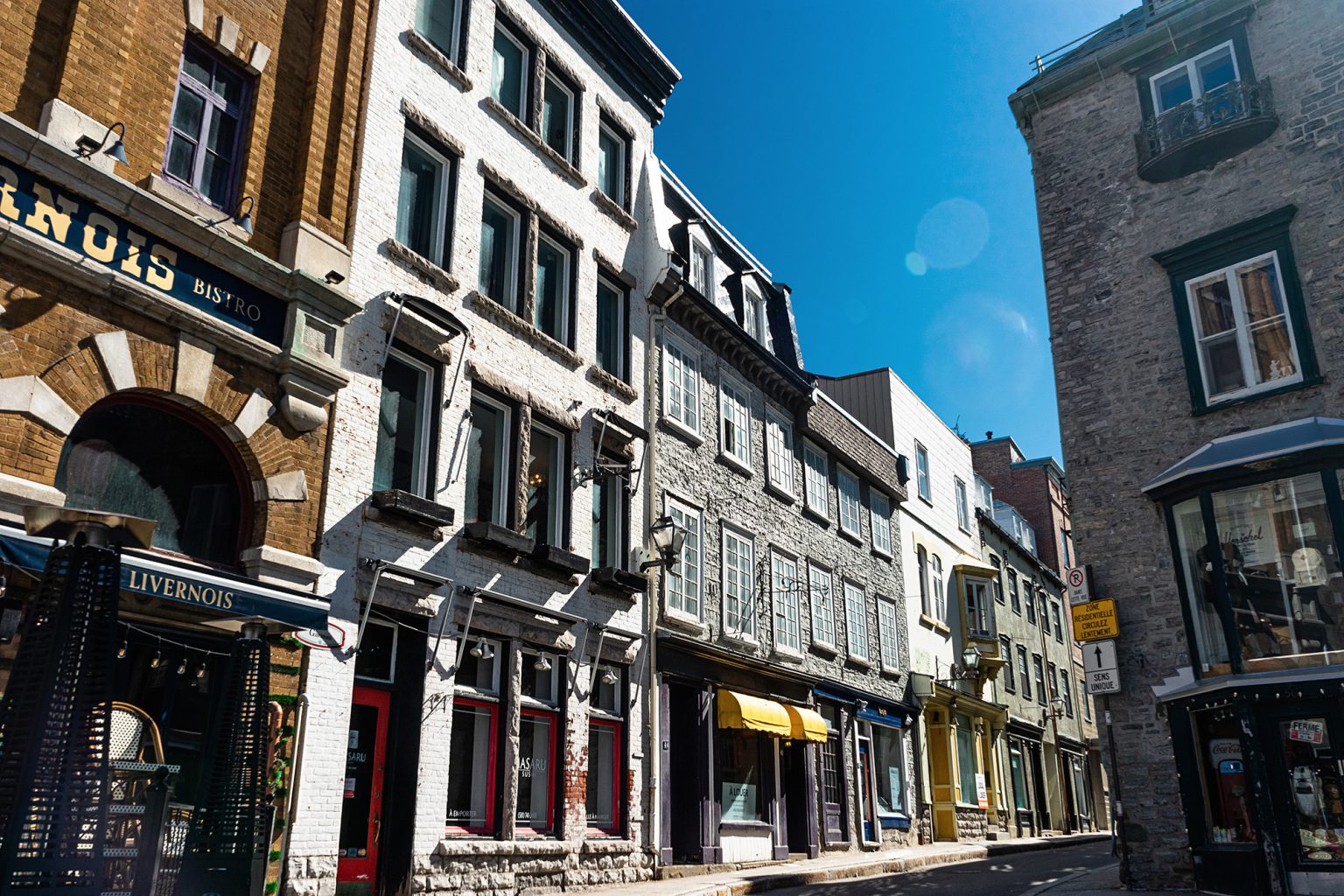
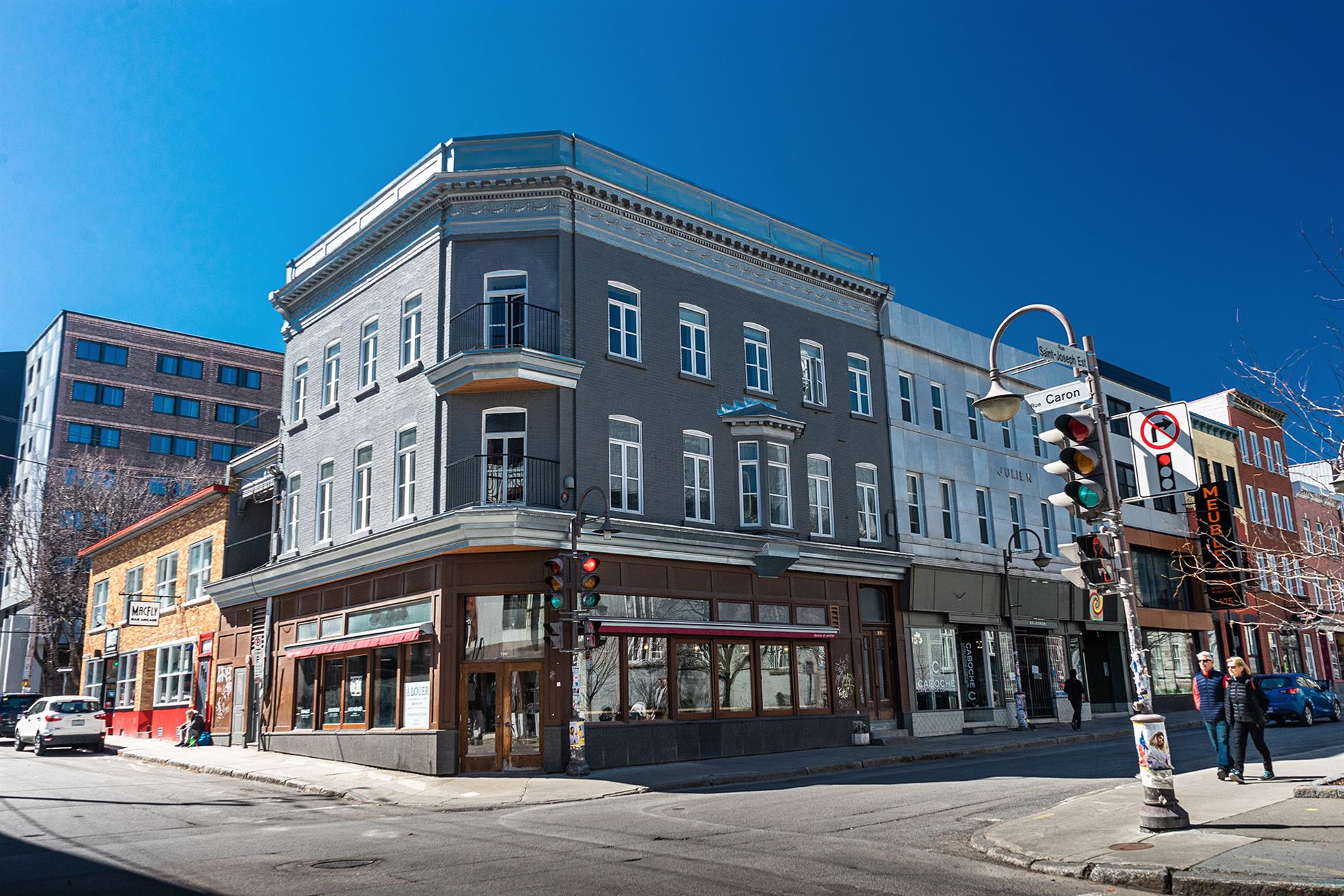
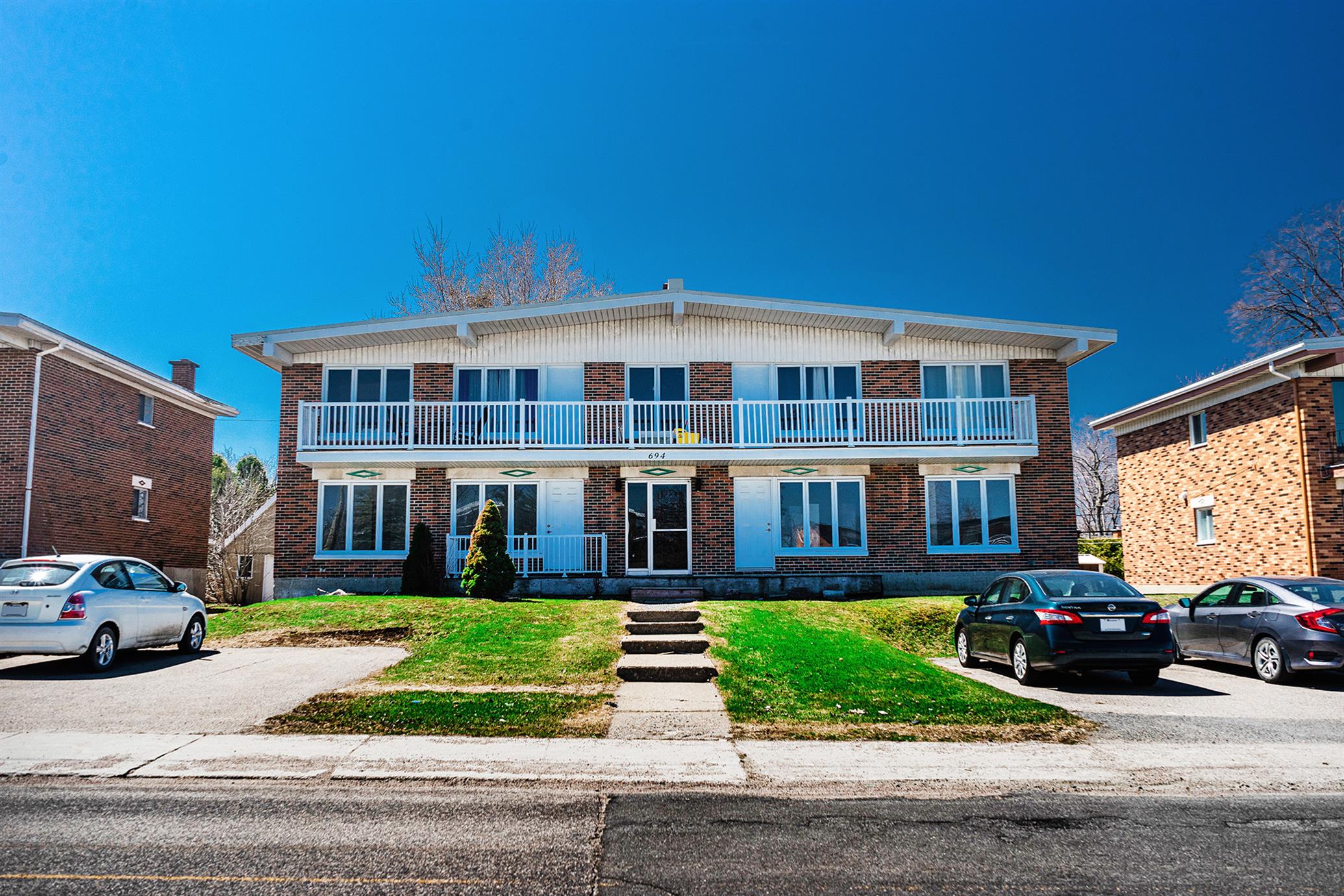
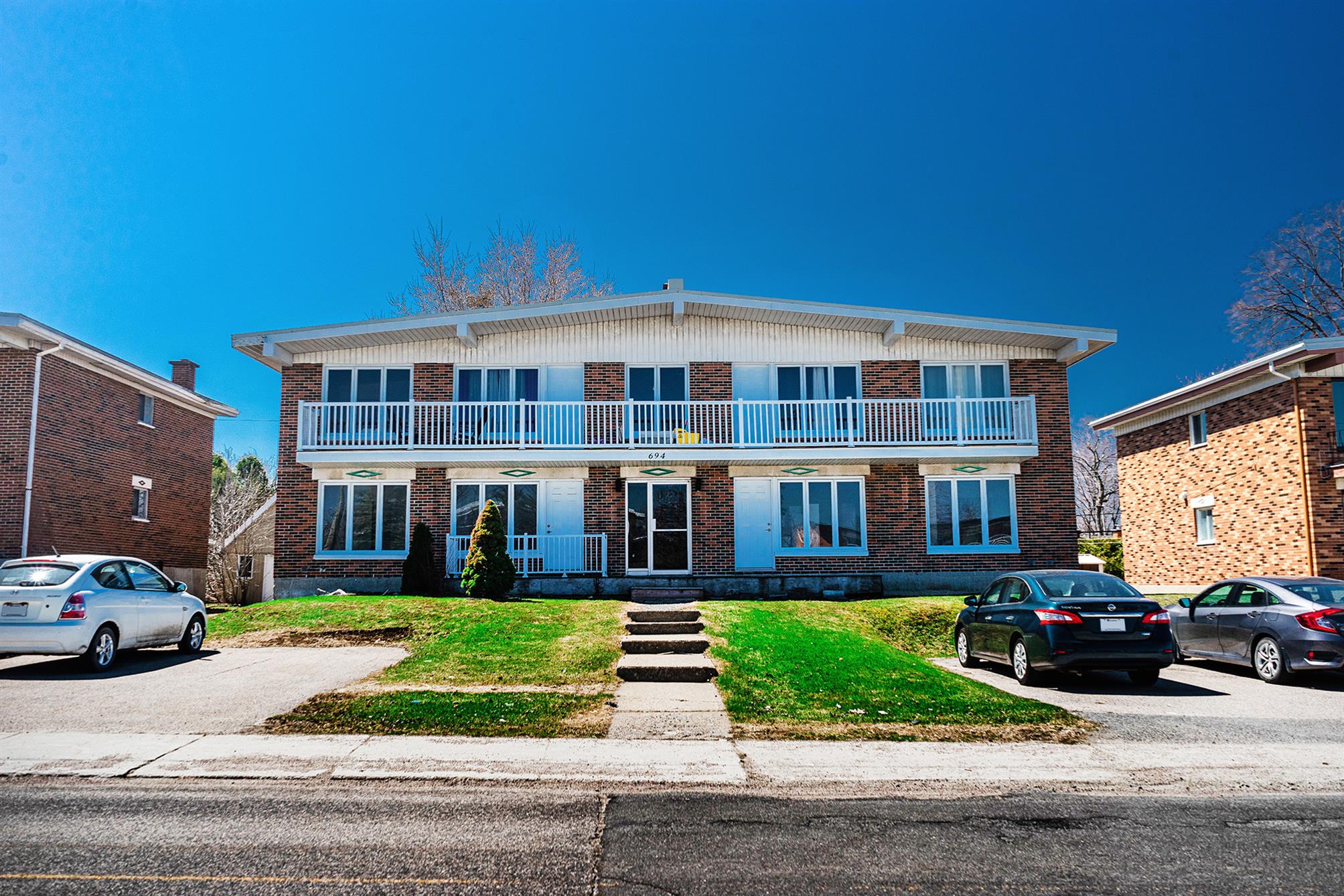
You pull up to a quiet cul-de-sac in Laval. The lawn is neat, the driveway wide. A young couple chats with their agent on the front step. This scene, repeated across suburban Quebec this spring, hints at a shift in buyer behaviour. A 2024 market report from the Quebec Professional Association of Real Estate Brokers noted that single-family home sales in the Montreal suburbs rose 8% year-over-year in Q2, while condo sales in the city centre dipped slightly. But what’s driving this, and how do you read the numbers for your own move?
Start with the regional sales volume
Sales figures tell you how many buyers are actually pulling the trigger. In the first quarter of 2024, the Quebec real estate market showed a clear suburban tilt, with regions like the Laurentians and Montérégie posting double-digit sales gains. That momentum carried into Q2. A broker I spoke with in Brossard mentioned that her team handled 30% more single-family transactions this spring than last. And those numbers matter because they signal confidence. When volume rises, it often means buyers feel secure about their jobs and mortgage rates.
But raw volume can mislead if you ignore the mix. A 2023 analysis by Desjardins economists pointed out that a surge in luxury home sales can inflate average prices without reflecting the typical buyer’s experience. So pair volume with median price data. In many suburbs, the median detached home price in Q2 hovered between $450,000 and $550,000, up roughly 5% from a year ago. That’s a manageable climb, not a spike.
Track days on market for each property type
Speed reveals urgency. In hot suburban pockets, a well-priced bungalow might last only 12 days. A condo in the same neighbourhood could sit for 45. This gap widened in Q2, according to data from Centris. Single-family homes in areas like Vaudreuil-Dorion averaged 35 days on market, while condos took 52. Why? Families want space and a yard, and they’re willing to act fast. Investors, meanwhile, are more cautious. A 2022 paper in the Journal of Housing Economics found that rising interest rates make rental property cap rates less attractive, so condo buyers hesitate.
You can use this to your advantage. If you’re selling a detached home, price it sharply and expect a quick close. If you’re buying a condo, you have more room to negotiate. And don’t forget to check neighbourhood comps. An agent can pull the last three months of sold prices for similar homes. That’s your true benchmark, not the asking price.
Compare suburban cap rates with city yields
For investors, the cap rate is the heartbeat of a deal. In Q2, suburban Montreal cap rates for small multiplexes compressed to around 4.5%, down from 5% a year earlier. That might seem thin, but it reflects strong demand for rental units. A 2024 report by CBRE noted that suburban vacancy rates are below 2% in many Quebec markets, pushing rents higher. So even a modest cap rate can deliver steady cash flow if you buy right.
But here’s the nuance. Commercial leasing activity in suburban strips picked up in Q2, too. A retail broker in Saint-Jérôme told me that three new cafés signed leases in May alone. That kind of foot traffic supports residential values. When you evaluate a neighbourhood, look at the commercial vacancies. Empty storefronts can be a warning sign, even if home prices look cheap.
Watch the rental market as a leading indicator
Rental trends often preview buying trends. In Q2, average rents for two-bedroom apartments in Laval rose 7% year-over-year, according to the Canada Mortgage and Housing Corporation. That pushed some renters into buying. A mortgage broker I know in Longueuil said she saw a 20% jump in pre-approval requests from first-time buyers in April. When rents climb faster than mortgage payments, the math flips. And suburban homes, with their lower price per square foot, become the obvious choice.
But don’t assume every suburb is the same. The Quebec real estate market in Q1 2024 showed wide variation, with some regions seeing price dips while others boomed. Drill down to the census tract level if you can. A 2023 study in Urban Studies found that school quality and commute times explained 60% of suburban price premiums. So map your priorities before you map your search.
Interpret new construction data carefully
Builders are active again. Housing starts in Quebec suburbs rose 12% in Q2 compared to last year, per the Canada Mortgage and Housing Corporation. That sounds bullish. But a construction consultant I spoke with cautioned that many projects are townhouses and small lots, not the large detached homes families crave. So the new supply might not ease the shortage where it’s most acute. And that mismatch can keep upward pressure on resale prices for single-family homes.
Also, check the timeline. A development breaking ground now won’t deliver units for 18 months. In the meantime, existing inventory remains tight. If you’re planning to buy in 2025, today’s starts are your future competition. But for this year, they’re just a headline.
Acknowledge the data’s blind spots
Every market report has gaps. Q2 data often includes sales negotiated in March, when snow was still on the ground. Seasonality can distort the picture. A 2021 paper in Real Estate Economics found that spring sales reflect winter decisions, so a Q2 surge might be partly catch-up. Also, public data lags. The Teranet index, for example, reports with a two-month delay. By the time you read a Q2 report, the market may have shifted.
And then there’s the human factor. Numbers don’t capture the couple who overpaid because they fell in love with a kitchen. Or the seller who accepted a low offer to close quickly. A seasoned agent in Blainville told me she saw three bidding wars in June, but also two homes that sold under asking after sitting for weeks. Averages smooth over these stories. So use reports as a compass, not a map.
In the end, Q2 confirmed what many suspected: the suburbs are holding their appeal. Families want space, investors want yield, and both are finding it outside the city core. But the data also whispers caution. Rising inventory in some segments and the lag effect of interest rates could cool things by fall. A 2024 forecast by Royal LePage predicts a 4% price increase for suburban detached homes by year-end, but that’s not guaranteed. The best move? Watch the weekly numbers, talk to a local agent, and visit open houses yourself. The market will tell you what it’s doing, if you know how to listen.