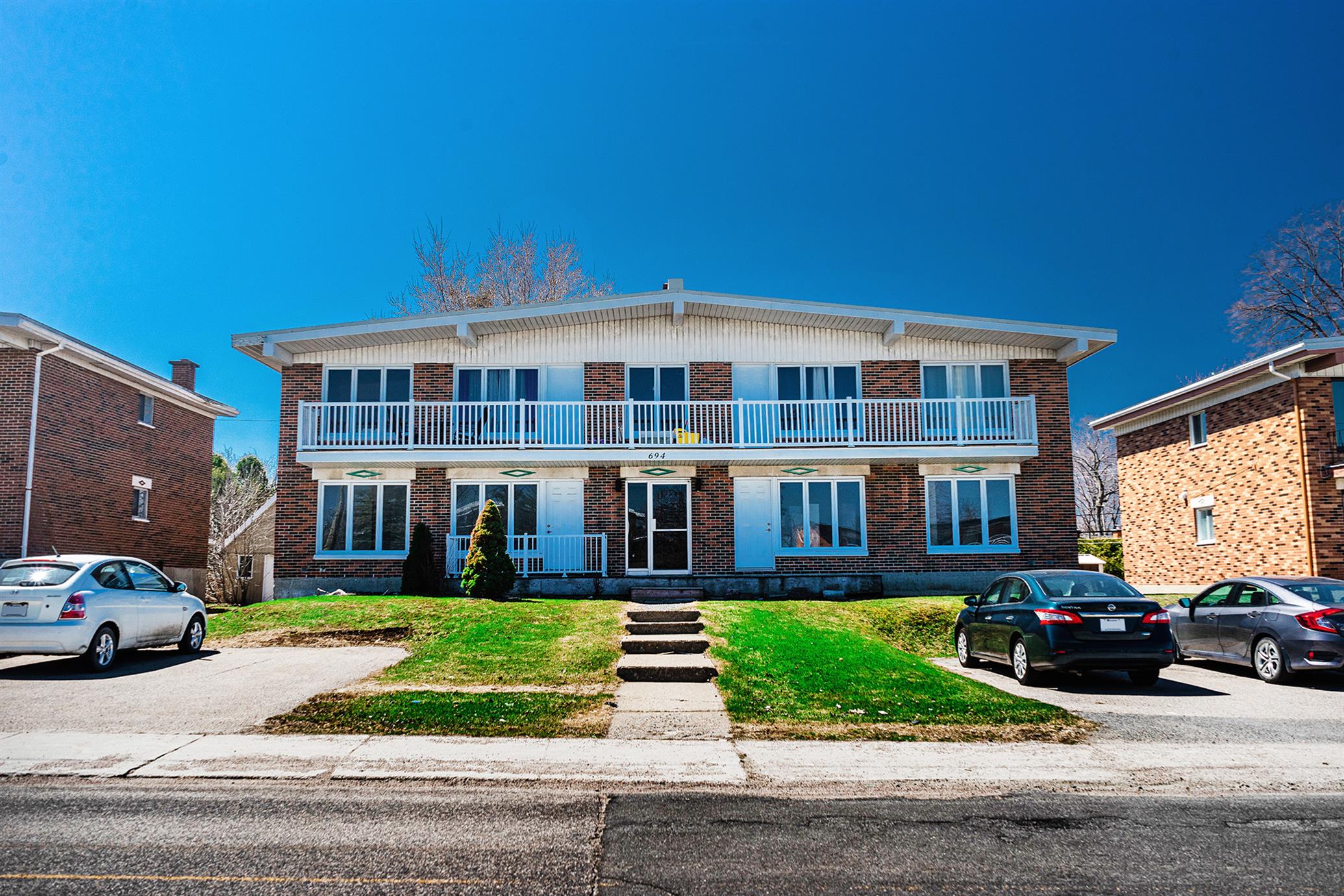
The champagne has been opened. The keys are in your hand. The notary has registered the transaction, and for the first time in your life, you are standing inside a property that legally belongs to you. It is an extraordinary feeling — a blend of accomplishment, excitement, and the dawning realization that everything from this moment forward is entirely your responsibility.
The journey to this point consumed months of financial preparation, property searches, negotiations, inspections, and paperwork. Countless guides, articles, and well-meaning advisors walked you through each step of the buying process. But now that the deal is done, a strange silence descends. The army of professionals who guided you to closing day — the mortgage broker, the real estate agent, the notary, the inspector — have completed their roles and moved on to their next clients. You are left standing in your new home with a mortgage, a set of keys, and a surprising number of questions that nobody thought to answer before you signed.
The first year of homeownership in Quebec brings a unique set of challenges, learning curves, and decisions that catch nearly every new owner off guard at least once. This guide covers the practical realities that the buying process overlooks — the things that experienced homeowners know instinctively but that first-year owners discover through trial, error, and occasionally expensive mistakes.
The First Seventy-Two Hours: What to Do Before You Unpack a Single Box
The excitement of moving day makes it tempting to dive straight into unpacking, decorating, and making the space your own. Resist this impulse long enough to complete several critical tasks that are far easier to accomplish in an empty house than in one cluttered with boxes and furniture.
Change the locks immediately. You have no way of knowing how many copies of the existing keys are circulating — previous owners, their family members, former tenants, neighbors who held a spare, contractors who were given access during past renovations. The cost of replacing exterior locks is modest compared to the peace of mind that comes from knowing you are the only person with access to your home. If the property has a smart lock system, reset all codes and remove all previous user profiles.
Locate and label every shutoff valve and breaker in the house. Find the main water shutoff and test it to confirm it functions properly. Identify the shutoffs for individual fixtures including toilets, sinks, and the washing machine connection. At the electrical panel, label each breaker with the area or circuits it controls if this has not already been done. In an emergency — a burst pipe, a tripped circuit, a gas smell — you need to be able to act instantly without searching for the right valve or switch. Taking fifteen minutes to complete this task on day one can save you from thousands of dollars in damage during a future emergency.
Test every smoke detector and carbon monoxide detector in the house. Replace the batteries regardless of when they were last changed. If the house lacks carbon monoxide detectors on every level where sleeping areas are located, install them immediately. Quebec building codes require working smoke detectors, and your homeowner’s insurance policy may be affected by non-compliance.
Document the condition of the property thoroughly with photographs and notes. Walk through every room and photograph the walls, floors, ceilings, windows, and any existing damage or wear. Open every closet, cabinet, and storage space. Check under sinks for signs of leaks. Look behind appliances that will soon be inaccessible once the kitchen is set up. This documentation serves as your baseline reference for tracking the property’s condition over time and for insurance purposes if damage occurs.
The practical guidance available through fredericmurrayhomes.com and fredericmurraymanagement.com helps new homeowners navigate these critical first steps with confidence, drawing on the accumulated experience of managing hundreds of properties across Quebec City.
Understanding Your New Financial Reality Beyond the Mortgage Payment
The mortgage payment is the most visible cost of homeownership, but treating it as the sum total of your housing expense is a recipe for financial stress. The first year of ownership reveals a constellation of costs that renters never encounter and that the buying process tends to gloss over in favor of emphasizing the investment potential and emotional rewards of ownership.
Property taxes in Quebec arrive in installments throughout the year, and their total can represent a significant addition to your monthly housing budget. The amount is based on the municipal evaluation of your property and the tax rates set by your municipality. If you purchased in a market where prices have been rising rapidly, be aware that the next municipal evaluation cycle may increase your assessed value substantially, leading to higher taxes even without a rate increase. Budget conservatively by using the most recent tax bill as a baseline and adding a contingency of ten to fifteen percent.
Home insurance is mandatory if you carry a mortgage, but the coverage that your lender requires may not be sufficient for your actual needs. Review your policy carefully to understand what is covered and what is excluded. Standard policies in Quebec typically cover fire, theft, and water damage from internal plumbing failures, but may exclude overland flooding, sewer backup, and earthquake damage unless specific endorsements are added. Given Quebec’s climate and the age of much of its housing stock, sewer backup coverage is particularly important and worth the additional premium.
Utility costs often surprise first-year homeowners who are accustomed to rental situations where some or all utilities were included. Heating a detached home or even a townhouse through a Quebec winter consumes significantly more energy than heating an apartment that benefits from the insulation provided by surrounding units. Request the utility billing history from the previous owner if it was not provided during the buying process, and budget accordingly. If the bills seem high relative to the home’s size, this may indicate insulation deficiencies or an inefficient heating system that should be addressed as a priority.
The maintenance reserve is the budget item that most first-year owners either underestimate or omit entirely. Industry guidelines suggest setting aside one to three percent of your home’s value annually for maintenance and repairs. On a property valued at four hundred thousand dollars, this means putting away four thousand to twelve thousand dollars per year. This money funds the inevitable replacements and repairs that every home requires — a failed water heater, a roof leak, a broken furnace, a deteriorating deck — without forcing you to rely on credit cards or lines of credit when these expenses arise.
The financial planning resources associated with fredericmurrayhomes.com and fredericmurrayestates.com help new owners develop realistic first-year budgets that account for the full spectrum of ownership costs, preventing the financial strain that catches so many unprepared homeowners off guard.
The Systems You Need to Learn: A Practical Guide to Your Home’s Mechanical Heart
Your home is not just walls, floors, and a roof. It is a complex system of mechanical, electrical, and plumbing components that work together to provide comfort, safety, and functionality. As a renter, these systems operated invisibly in the background, maintained by someone else. As a homeowner, they are your responsibility, and understanding how they work — at least at a basic level — is essential for both preventing problems and responding effectively when they occur.
The heating system deserves your attention first, given its critical importance during Quebec’s extended cold season. Identify what type of system your home uses. Forced air systems with a furnace and ductwork are common in newer constructions. Hot water radiator systems with a boiler are prevalent in older homes. Electric baseboard heaters are found across all ages of Quebec housing. Each system has distinct maintenance requirements, common failure modes, and efficiency characteristics that you should understand.
For forced air systems, learn where the filter is located and establish a replacement schedule. A clogged filter forces the furnace to work harder, reduces efficiency, increases energy costs, and shortens the equipment’s lifespan. Most filters should be replaced every one to three months during the heating season. Schedule a professional inspection and tune-up before the first cold season in your new home, even if the previous owner claims the system was recently serviced.
For hot water systems, learn how to bleed the radiators to remove trapped air that prevents them from heating evenly. Familiarize yourself with the boiler’s pressure gauge and know the normal operating range. Unusual pressure readings or visible leaks anywhere in the system warrant prompt professional attention.
The plumbing system requires familiarity beyond simply knowing where the shutoff valves are. Understand whether your home is connected to municipal sewers or a septic system, as the maintenance requirements differ dramatically. If you have a septic system, learn the pumping schedule and the signs of system distress. Know the age and material of your supply and drain pipes. Older homes in Quebec may still contain galvanized steel supply pipes or cast iron drain pipes that are approaching or past their expected lifespan and may need replacement within your ownership period.
The electrical system should be evaluated for both capacity and safety. Older homes may have electrical panels with insufficient amperage for modern usage patterns that include multiple high-draw appliances, electric vehicle charging, and home office equipment. If your panel uses fuses rather than breakers, or if you notice frequently tripping breakers, an electrical upgrade may be necessary. Any aluminum wiring, common in homes built during the late nineteen sixties and early nineteen seventies, should be evaluated by a qualified electrician for safety.
Homeowners who feel overwhelmed by the mechanical complexity of their property can lean on the network of professionals connected to the Murray ecosystem. The maintenance expertise coordinated through fredericmurraymanagement.com and fredericmurrayimmeubles.com extends to advising individual homeowners on system maintenance priorities and connecting them with vetted specialists across every trade.
The Seasonal Rhythm of Quebec Homeownership
Homeownership in Quebec follows a seasonal rhythm that dictates when specific maintenance tasks must be performed to protect the property from the province’s demanding climate. Establishing this rhythm during your first year creates habits that will serve you throughout your entire ownership tenure.
Spring is the season of assessment and repair. As the snow melts and the ground thaws, inspect your property’s exterior from foundation to roofline. Look for cracks in the foundation that may have developed or worsened during the winter freeze-thaw cycle. Check the grading around the perimeter to ensure water flows away from the foundation. Inspect the roof for missing, cracked, or curled shingles. Clean the gutters and downspouts of debris accumulated over the winter. Test all exterior faucets and irrigation systems. Examine decks, fences, and walkways for frost heave damage.
Summer is the season of improvement and enjoyment. With favorable weather conditions, this is the optimal time for exterior painting, deck staining, landscaping projects, and any renovation work that involves opening up the building envelope. Schedule an air conditioning service if your home has a cooling system. Address any issues identified during your spring assessment before they have a chance to worsen.
Fall is the season of preparation. The tasks you complete in September and October directly determine how well your home weathers the coming winter. Service the heating system. Clean the chimney if you have a fireplace or wood stove. Drain and disconnect exterior hoses. Close and drain exterior faucet lines from inside the house. Clean gutters again after the leaves have fallen. Seal any air leaks around windows and doors that you identified during the previous winter. Inspect weatherstripping and replace it where worn. Test the sump pump if you have one to ensure it is operational before the spring melt.
Winter is the season of vigilance. Monitor ice dam formation along the roof edges. Keep snow cleared from foundation vents and basement window wells. Maintain clear pathways for safety and to prevent ice buildup that damages surfaces. Watch for signs of condensation on windows, which can indicate excessive indoor humidity or insufficient ventilation that promotes mold growth.
This seasonal cycle becomes second nature after the first full year, and the investment of time it requires pays dividends in preserved property value and avoided emergency repairs. For homeowners who prefer to delegate the management of this seasonal maintenance cycle, the comprehensive property care services available through fredericmurraymanagement.com and fredericmurrayrentals.com bring the same systematic approach used for the Murray portfolio’s two hundred plus units to individual homeowner clients.
Building Your Team of Trusted Professionals
As a renter, your landlord was your single point of contact for every property-related issue. As a homeowner, you need to build your own team of professionals who can be called upon when their specific expertise is required. The first year is the time to identify, vet, and establish relationships with these professionals, ideally before you need them urgently.
A reliable general handyman who can handle a broad range of minor repairs and maintenance tasks is arguably the most valuable professional in a homeowner’s network. Leaky faucets, running toilets, stuck windows, loose railings, minor drywall repairs, and dozens of other small issues arise regularly in every home. Having a trusted handyman who you can call for these tasks — rather than attempting them yourself with varying degrees of success or calling expensive specialists for minor work — saves both money and frustration.
A licensed plumber, a licensed electrician, and a qualified heating technician form the core of your specialist team. These are the professionals you call when the issue exceeds handyman capabilities or when code compliance requires licensed work. Ask neighbors, colleagues, and friends in the area for recommendations. Online reviews provide some guidance, but personal referrals from people whose judgment you trust are more reliable. When you find professionals who do quality work at fair prices, treat them well and pay them promptly. Reliable tradespeople in Quebec City are in high demand, and those who have positive experiences working for you will prioritize your calls when urgent situations arise.
A trusted insurance broker who understands Quebec’s property insurance landscape can save you thousands over your ownership period by ensuring you have appropriate coverage without paying for unnecessary extras. Review your policy annually and whenever you make significant changes to the property. An addition, a major renovation, a finished basement, or expensive new systems all affect your coverage needs and should be reported to your insurer.
A knowledgeable accountant familiar with Quebec’s tax treatment of homeownership ensures you claim all available deductions and credits. Quebec and federal tax codes offer several provisions for homeowners including the Home Buyers’ Plan for RRSP withdrawals, the First Home Savings Account, various renovation tax credits, and deductions related to home office use if applicable. A competent accountant pays for themselves many times over through the tax savings they identify.
The professional network that the Murray organization has cultivated over nearly two decades serves as a resource not only for its managed properties but also for individual homeowners connected to the broader Murray ecosystem. From vetted contractors to insurance partners to financial advisors, the relationships accessible through fredericmurrayhomes.com, fredericmurrayproperties.com, and fredericmurraymanagement.com help new homeowners build their support team with professionals whose reliability has already been proven through years of collaboration.
The first year of homeownership is a year of discovery, learning, and adaptation. It will present moments of frustration alongside moments of deep satisfaction. The furnace will need attention at an inconvenient time. A pipe will develop a mysterious drip. The property tax bill will arrive and seem larger than you expected. But so will the quiet pleasure of a Saturday morning in a kitchen that belongs to you, the pride of completing your first successful home repair, and the growing confidence that comes from understanding and caring for a place that is truly yours. Whether you found your home through fredericmurrayhomes.com, discovered an estate property via fredericmurrayestates.com, or explored the broader Quebec City market through fredericmurrayproperties.com, the Murray network — including murrayimmeuble.com, murrayimmeubles.com, fredericmurrayimmeubles.com, fredericmurraylocation.com, fredericmurrayrentals.com, and fredericmurraymanagement.com — remains a resource you can turn to long after closing day, because the relationship between a homeowner and the community that helped them find their home should last far beyond the transaction itself.