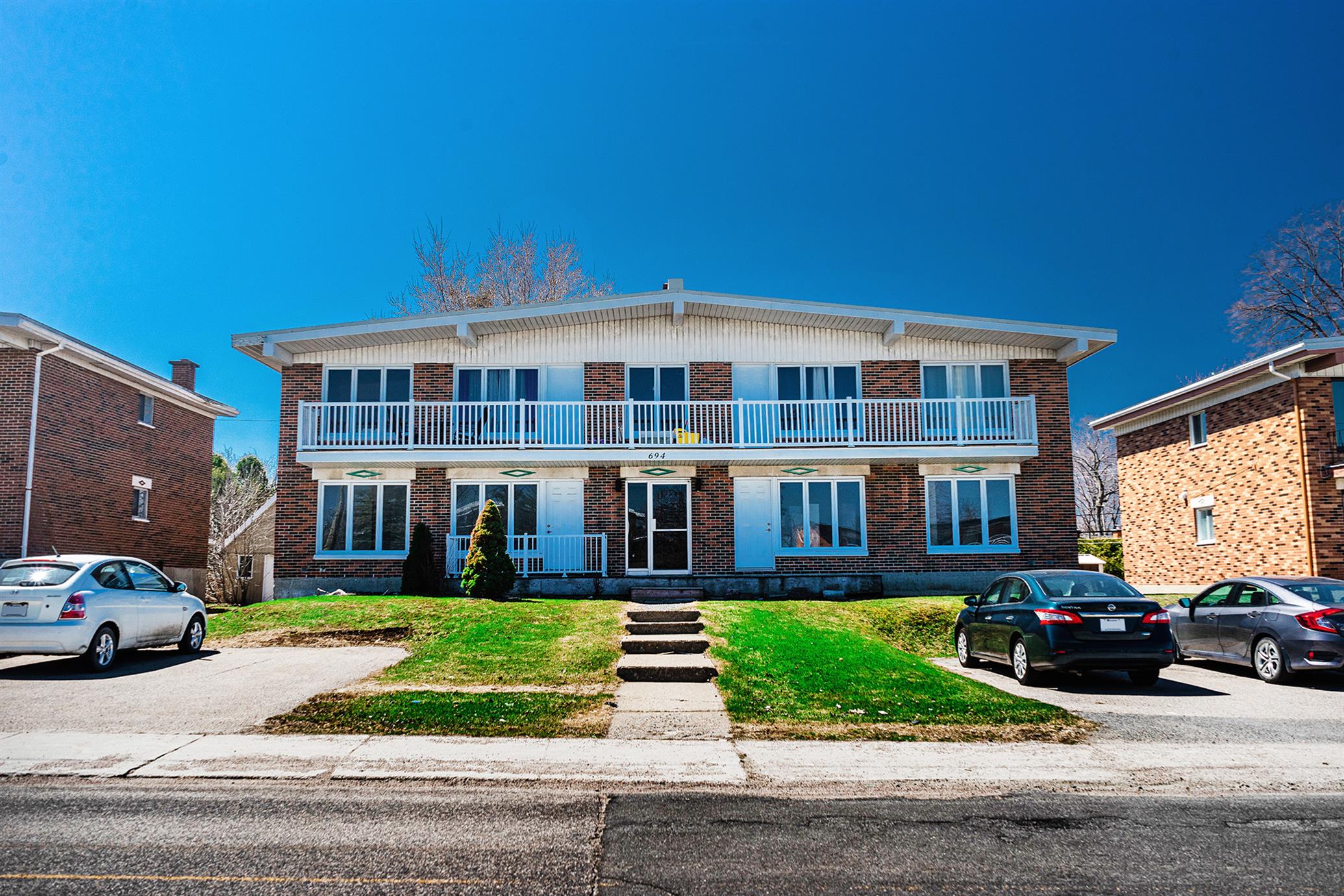
Buying your first home is one of the most significant financial decisions you will ever make — and one of the most emotionally charged. The process involves a language of its own, a timeline that can feel unpredictable, and a series of decisions that carry real consequences. For most people, the experience swings between excitement and anxiety, sometimes within the same afternoon.
The good news is that the home-buying process becomes far less intimidating when you understand exactly what to expect and when. At Frederic Murray Homes, we guide first-time buyers through every stage of the journey — from the moment you start browsing listings to the day you receive your keys.
This roadmap breaks the process down into clear, manageable steps so you can move forward with confidence rather than second-guessing every decision.

Step 1: Understand What You Can Actually Afford
Before you start touring homes, you need a clear and honest picture of your financial position. Many first-time buyers make the mistake of starting with listings rather than numbers — which leads to falling in love with homes that are outside their realistic budget.
Start by calculating your total monthly income after tax, then subtract your existing fixed expenses: car payments, student loans, credit card minimums, and any other recurring obligations. What remains is the pool from which your mortgage payment, property taxes, insurance, and home maintenance costs will need to come.
A general rule of thumb used by many lenders is that your total housing costs should not exceed 32% of your gross monthly income — though your personal comfort level may be lower, and it should be. Buying at the absolute top of what a lender will approve leaves no room for the unexpected costs that always accompany homeownership.
It is also worth accounting for the upfront costs that come before your first mortgage payment: your down payment, legal fees, home inspection costs, land transfer tax, and moving expenses. For most buyers, these costs add up to between 3% and 5% of the purchase price in addition to the down payment itself.
Step 2: Get Pre-Approved — Not Just Pre-Qualified
There is an important distinction between mortgage pre-qualification and mortgage pre-approval, and it matters more than most first-time buyers realize.
Pre-qualification is a rough estimate based on information you provide verbally or through a basic online form. It carries no weight with sellers and tells you very little about what you will actually be approved for.
Pre-approval is a formal process in which a lender verifies your income, employment, credit history, and assets, then issues a written commitment for a specific loan amount at a specific rate, typically valid for 90 to 120 days. A pre-approval letter tells sellers you are a serious, qualified buyer — and in competitive markets, it can be the difference between your offer being considered and being passed over entirely.
When pursuing pre-approval, approach at least two or three lenders — your own bank, a credit union, and a mortgage broker who can access multiple lenders simultaneously. Comparing offers at this stage costs nothing and can save you a meaningful amount over the life of your mortgage.

Step 3: Define What You Need vs. What You Want
One of the most useful exercises any first-time buyer can do before beginning serious property searches is to create two separate lists: a needs list and a wants list.
Your needs are the non-negotiables — the things a home must have for it to work for your life. This might include a minimum number of bedrooms, proximity to work or school, accessibility features, or a garage. These are items you will not compromise on.
Your wants are the features you would love to have but could live without if the right property came along without them. A finished basement, a large backyard, a dedicated home office, or a particular architectural style might fall into this category.
Having these lists defined before you start viewing homes prevents you from being swayed by staging, aesthetics, or features that appeal in the moment but do not actually align with your priorities. It also helps your real estate agent filter listings more effectively, which saves everyone time.
Be honest with yourself about which category each feature truly belongs in. Many buyers place items on the needs list that are actually preferences — and doing so unnecessarily narrows your search in a market where inventory may already be limited.
Step 4: Work With the Right Real Estate Agent
A good buyer’s agent is not just someone who opens doors — they are your advisor, your negotiator, and your guide through a process that has many moving parts. For a first-time buyer especially, the quality of your agent relationship can significantly affect the outcome of your purchase.
Look for an agent who works primarily with buyers, has specific experience in the neighborhoods or property types you are targeting, and communicates in a way that works for you. You should feel comfortable asking any question without feeling rushed or dismissed.
Your agent’s job is to represent your interests — not to push you toward a faster sale. The right agent will tell you when a property is overpriced, point out issues that are not immediately obvious during a viewing, and counsel you honestly when an offer strategy carries risk.
At Frederic Murray Homes, our agents specialize in residential properties across the Canadian market. If your search eventually leads you toward income-generating properties or rental investments, our colleagues at Frederic Murray Rentals (fredericmurrayrentals.com) and Frederic Murray Properties (fredericmurrayproperties.com) are positioned to support that side of your real estate journey.
Step 5: Make an Offer the Right Way
When you find the right home, moving quickly and thoughtfully matters. Your agent will prepare a formal offer to purchase that includes the price, the deposit amount, the proposed closing date, and any conditions you want to include.
The two most common and important conditions for first-time buyers are a satisfactory home inspection and financing confirmation. Never waive a home inspection to make your offer more competitive unless you have the financial resources and risk tolerance to absorb whatever surprises may be waiting inside the walls, floors, and mechanical systems.
Negotiation at this stage is normal. Sellers may counter your offer on price, closing date, or conditions. Your agent will guide you through each round of negotiation with a clear strategy based on current market conditions and the specific dynamics of the property.
Once both parties have signed and all conditions are satisfied, the home is officially yours — subject to the formal closing process managed by your real estate lawyer.
Step 6: Navigate Closing Day With Clarity
The period between your accepted offer and your closing date — typically 30 to 90 days — involves several important tasks. Your lawyer will conduct a title search to confirm the seller has clear ownership and that there are no liens or encumbrances on the property. You will need to secure home insurance before your lender will advance funds. And you will need to complete a final walkthrough of the property before signing to confirm its condition matches what you agreed to purchase.
On closing day, your lawyer handles the transfer of funds and registers the title in your name. Once that is complete, the home is legally yours.
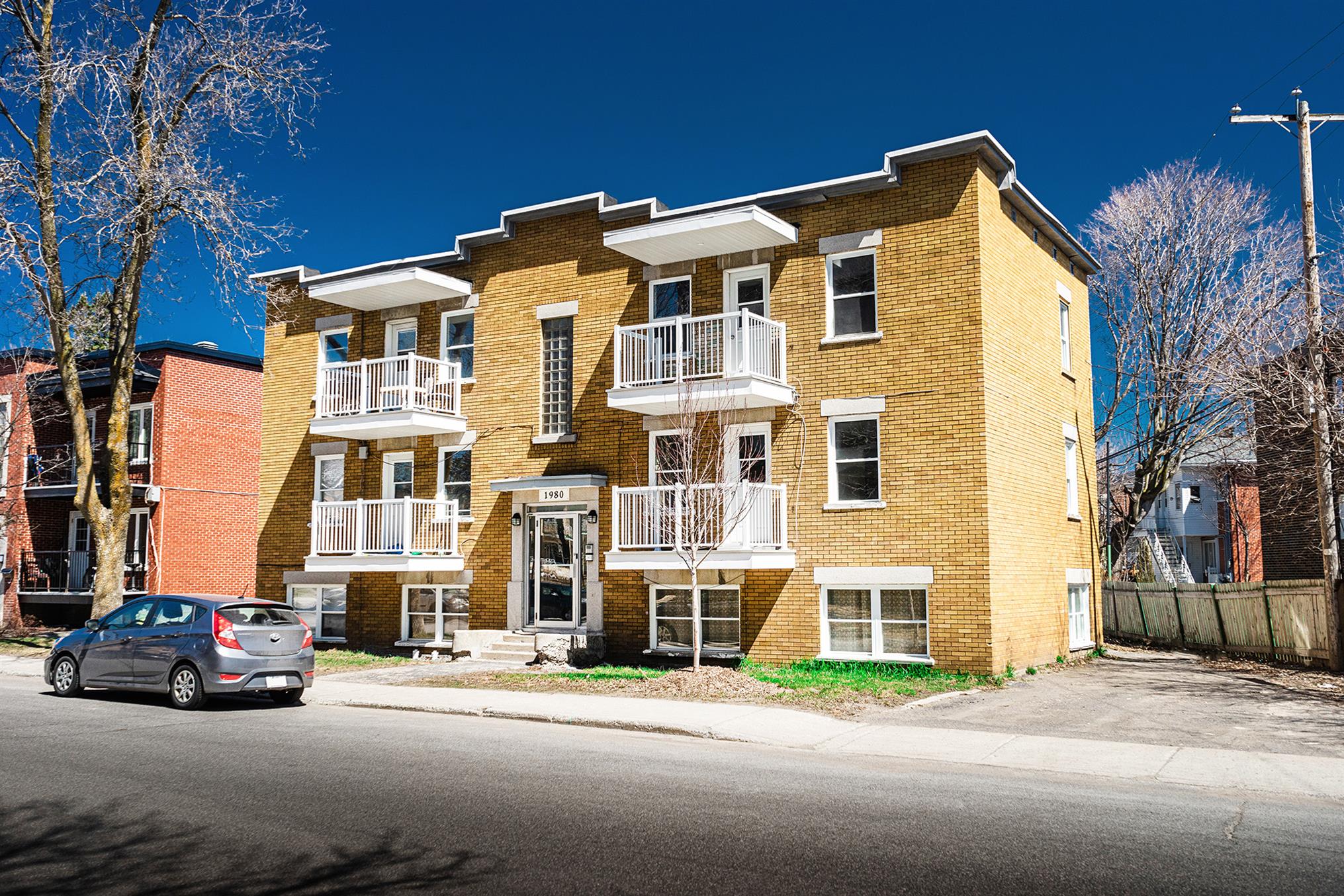
After Closing: The Work Begins
The day you get your keys is a milestone worth celebrating — but it is also the beginning of a new set of responsibilities. Homeownership requires ongoing attention: regular maintenance, seasonal upkeep, budgeting for repairs, and staying aware of how your property’s value is evolving in the market.
Build a home maintenance fund from the beginning. Many financial advisors recommend setting aside 1% to 2% of your home’s value annually for maintenance and repairs — an amount that sounds significant until the furnace needs replacing or a roof repair appears without warning.
The team at Frederic Murray Homes remains a resource for our buyers long after closing day. Whether you have questions about the market, are thinking about your next move, or want a referral to a trusted tradesperson, we are here to support you through every stage of homeownership.