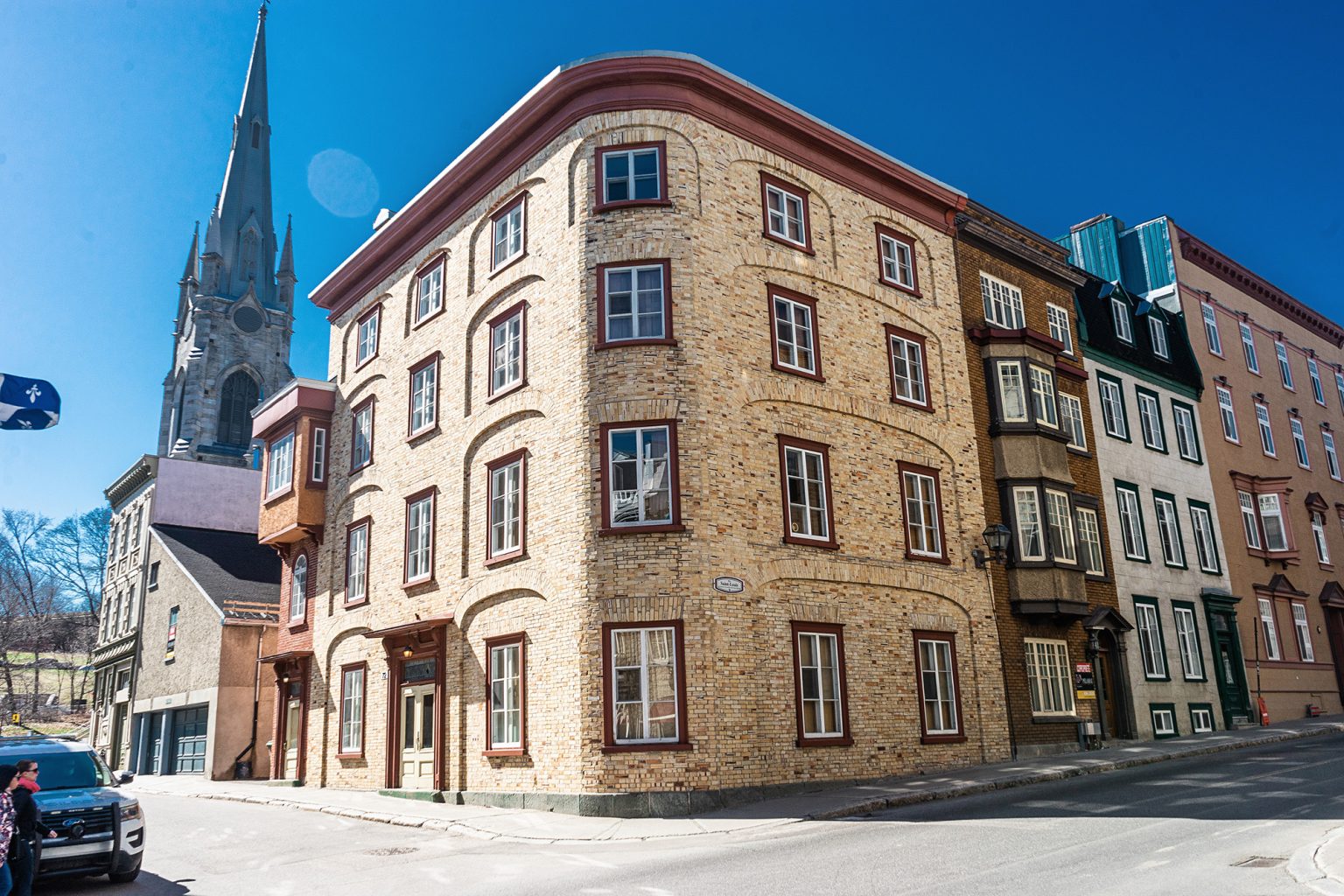
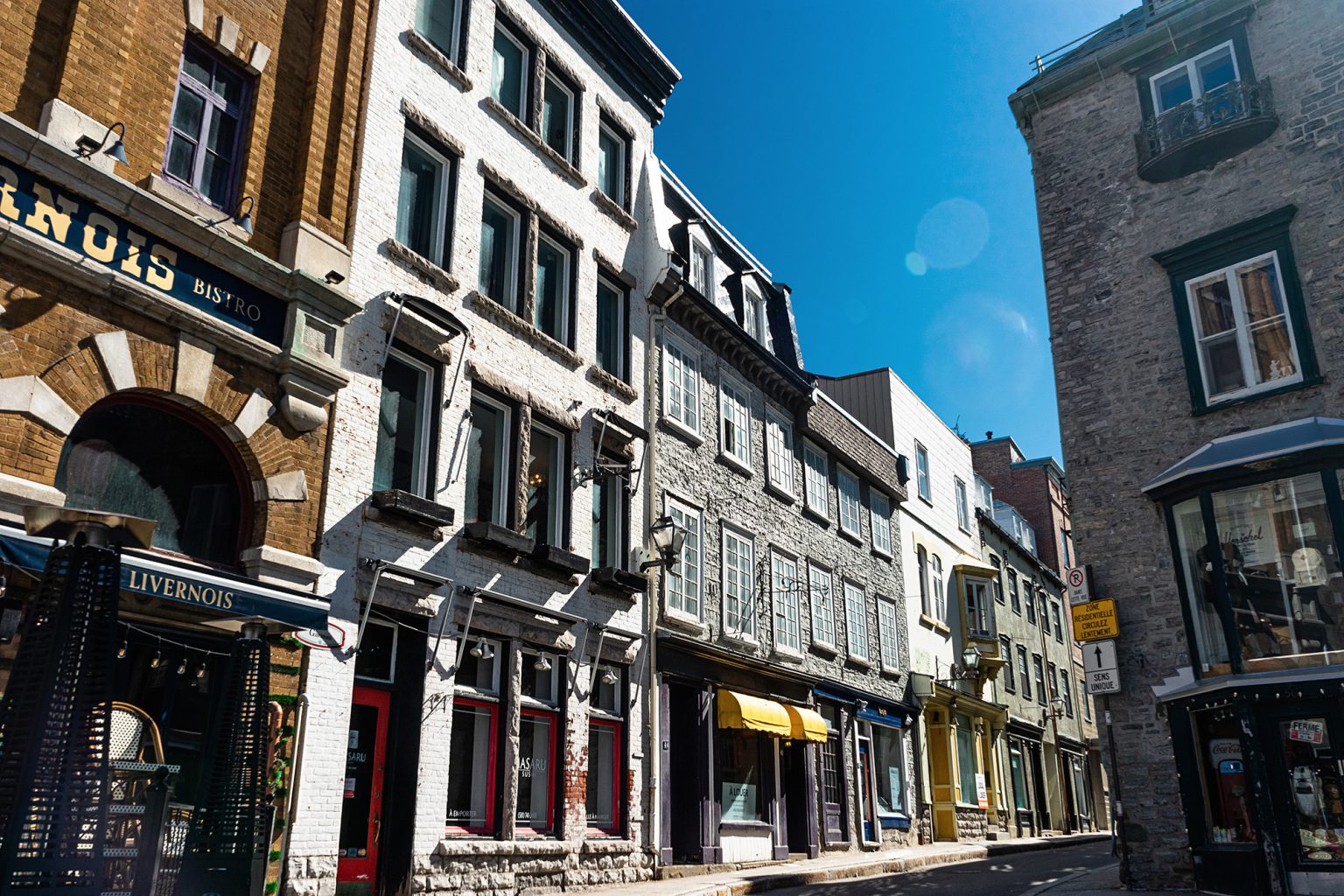
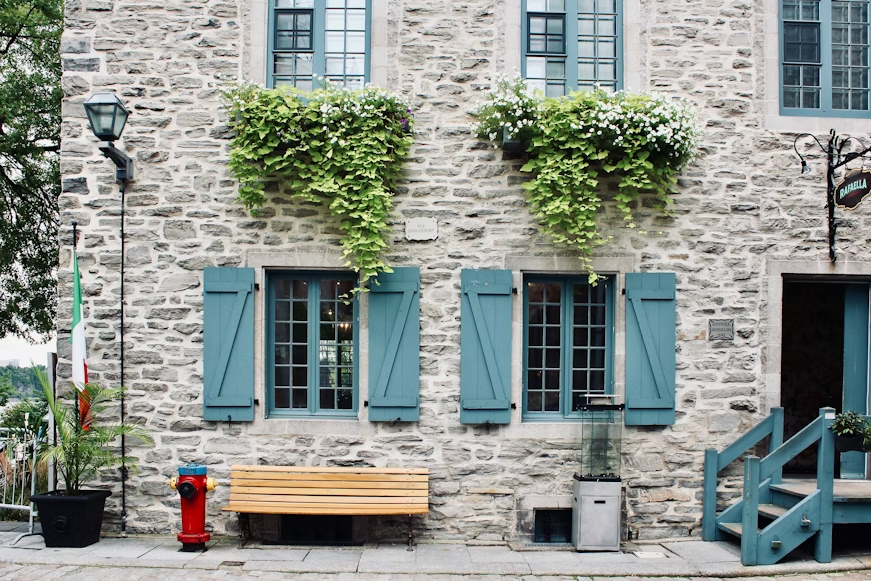
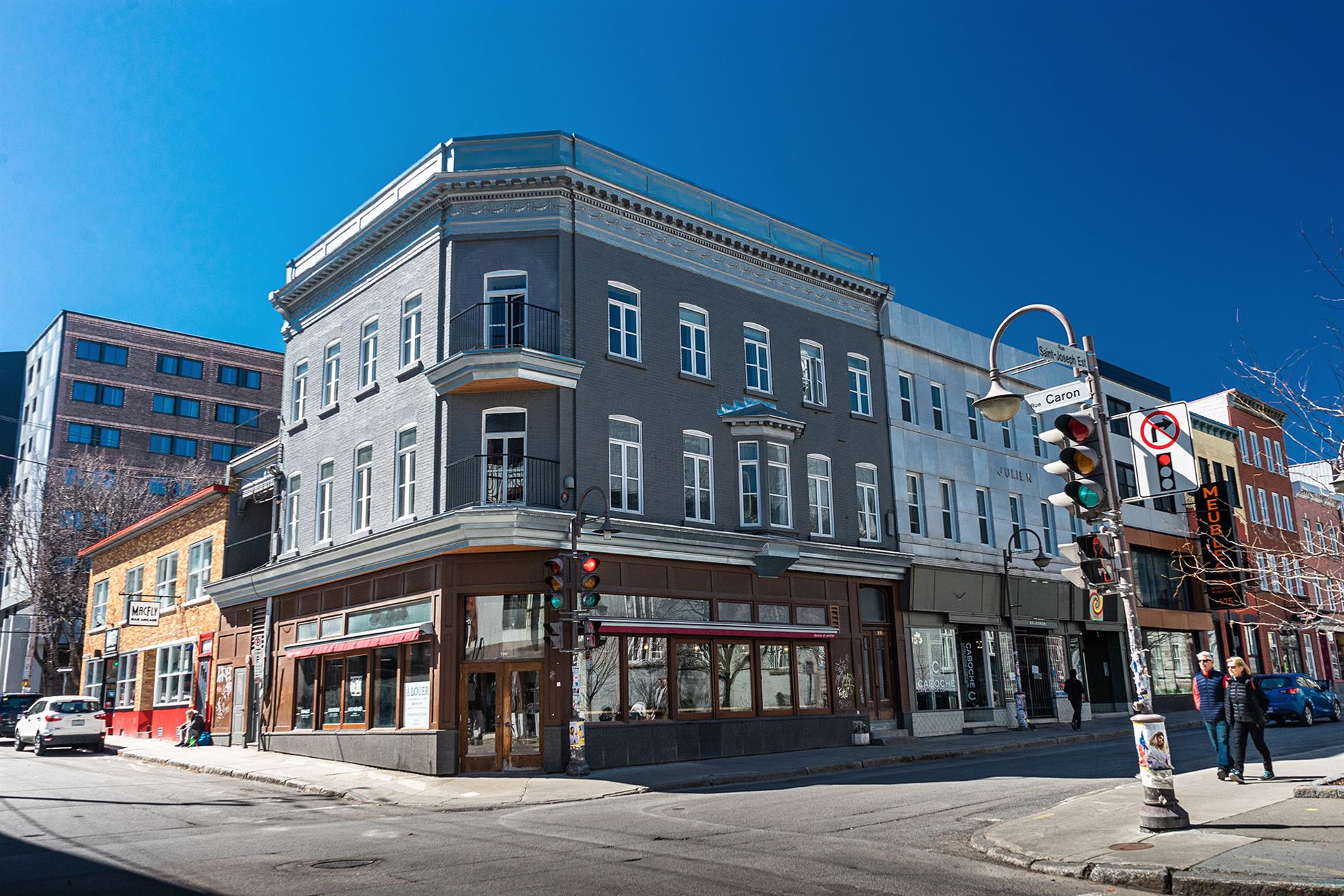
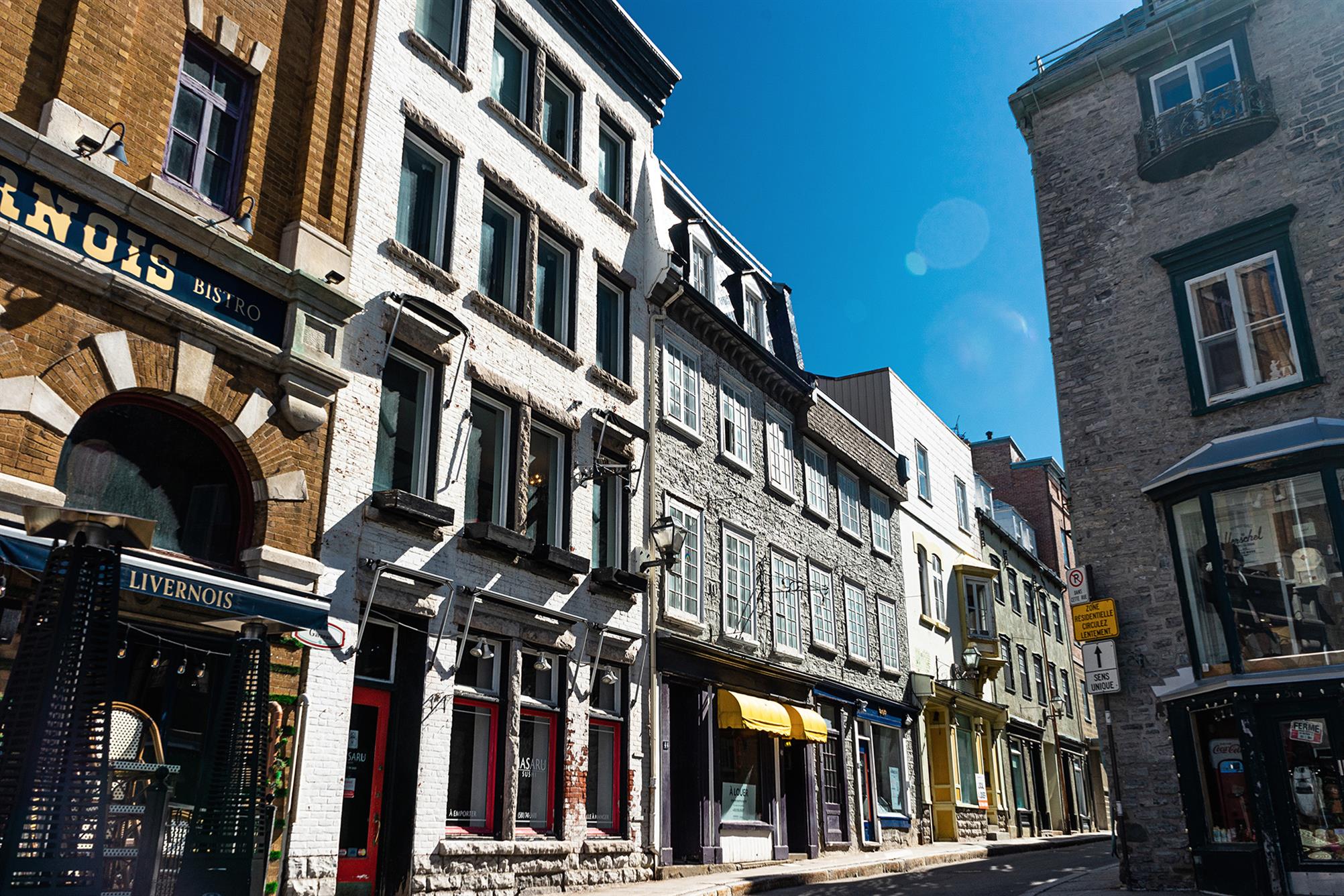
Quebec City stands as North America’s most European city, with cobblestone streets, centuries-old buildings, and an atmosphere that transports visitors back in time. For those dreaming of owning a piece of this living history, purchasing a historic home offers an unparalleled opportunity. But navigating the unique challenges of heritage property acquisition requires careful preparation and expert guidance.
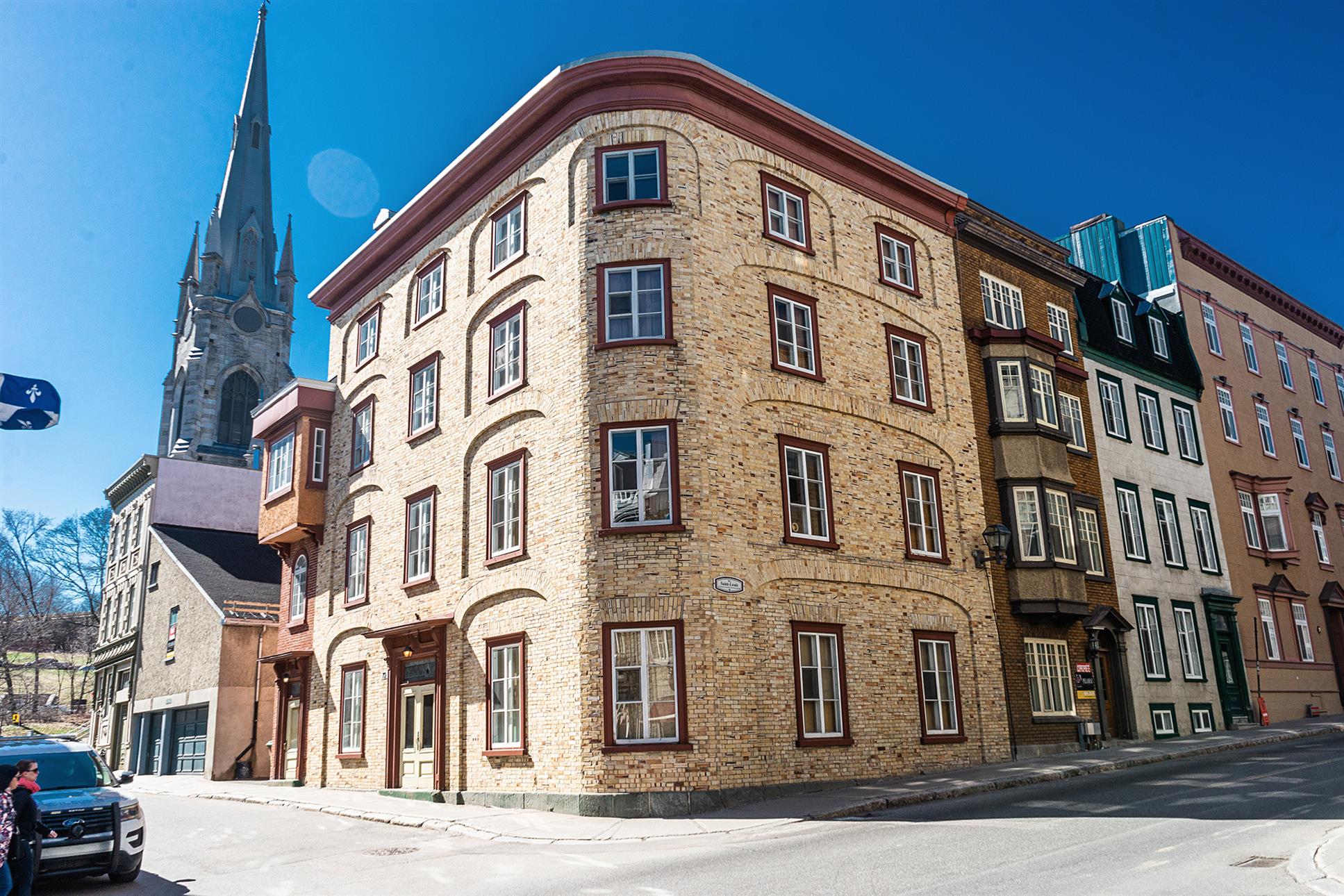
The allure of historic homes extends beyond their aesthetic appeal. These properties represent tangible connections to Quebec’s rich past, offering character and craftsmanship rarely found in modern construction. From hand-carved wooden details to original stone fireplaces, every element tells a story spanning centuries.
Why Choose a Historic Home in Quebec City
Historic homes in Quebec City offer advantages that newer properties simply cannot match. The quality of materials used in 18th and 19th-century construction often surpasses modern standards. Solid stone walls, old-growth timber beams, and handcrafted metalwork demonstrate durability proven across generations.
The architectural diversity found in Quebec City’s historic neighborhoods provides options for every taste. French Colonial, Victorian, and Second Empire styles coexist within walking distance of each other. Each style reflects different periods of the city’s development and offers distinct living experiences.
Property values in historic districts tend to appreciate steadily over time. The limited supply of authentic heritage homes, combined with strict preservation regulations that prevent inappropriate development, creates natural scarcity. This scarcity supports long-term value retention even during broader market fluctuations.
The sense of community in historic neighborhoods differs markedly from newer developments. Residents share a commitment to preservation and often participate actively in neighborhood associations and heritage organizations. This shared purpose fosters meaningful connections among neighbors.
Essential Steps Before Making an Offer
Due diligence for historic homes extends beyond standard property inspections. Prospective buyers should research the property’s complete history, including previous owners, past renovations, and any heritage designations. Municipal archives and heritage organizations often maintain detailed records accessible to the public.
Engaging specialists familiar with historic construction proves essential. General home inspectors may lack experience with centuries-old building techniques. Structural engineers specializing in heritage buildings can identify issues invisible to untrained eyes and provide accurate repair cost estimates.
Understanding zoning and heritage regulations prevents costly surprises after purchase. Properties in designated heritage zones face restrictions on exterior modifications, window replacements, and even paint colors. Buyers should review all applicable regulations before committing to purchase.
Financial institutions may apply different criteria when mortgaging historic properties. Some lenders hesitate to finance buildings requiring significant restoration work. Identifying heritage-friendly lenders early in the process streamlines the purchasing journey.
Navigating Heritage Regulations
Quebec City’s heritage protection framework exists to preserve the city’s unique character for future generations. The municipal heritage department oversees properties within designated zones, reviewing proposed modifications for compatibility with preservation standards.
Exterior work typically requires approval before commencement. This includes roof repairs, window replacements, masonry restoration, and facade painting. The approval process varies in duration depending on project complexity and may require consultation with heritage architects.
Interior modifications generally face fewer restrictions unless the property holds individual heritage designation. However, buyers should verify specific requirements for their target property, as regulations vary based on location and designation status.
Working with professionals experienced in heritage approvals accelerates the process significantly. Architects and contractors familiar with local regulations can design projects that satisfy preservation requirements while meeting owner objectives. Their established relationships with municipal officials often facilitate smoother approvals.
Financing Your Historic Home Purchase
Several financing options cater specifically to heritage property buyers. Traditional mortgages remain available for properties in good condition, though appraisal processes may differ from standard residential transactions.
Renovation mortgages combine purchase financing with funds for approved restoration work. These products allow buyers to acquire properties requiring significant investment while spreading costs over the mortgage term. Lenders typically require detailed renovation plans and cost estimates before approval.
Government programs support heritage preservation through various mechanisms. Tax credits for certified restoration work can offset significant portions of renovation costs. Municipal and provincial grants sometimes cover specific preservation activities, particularly for properties with formal heritage designation.
Private heritage foundations occasionally provide funding or low-interest loans for preservation projects. These organizations prioritize properties with significant historical or architectural importance and typically require owners to commit to preservation standards.
Working with Heritage Specialists
Assembling the right team ensures successful historic home ownership. Heritage architects understand how to integrate modern amenities while respecting original character. Their expertise prevents well-intentioned but inappropriate modifications that diminish property value.
Craftspeople specializing in traditional techniques handle restoration work that standard contractors cannot. Stone masons, traditional plasterers, and heritage carpenters possess skills passed down through generations. These artisans maintain the authentic character that makes historic homes special.
Property managers experienced with heritage buildings provide invaluable ongoing support. Companies like Groupe Murray understand the unique maintenance requirements of historic properties. Their proactive approach prevents small issues from becoming major problems.
Legal professionals familiar with heritage regulations protect buyer interests throughout transactions. They identify potential complications before closing and ensure all required disclosures occur properly.
Living in a Historic Home
Daily life in a historic home differs from modern housing in meaningful ways. Thicker walls provide natural sound insulation and temperature regulation. Higher ceilings create spacious, airy interiors that feel grander than equivalent square footage in contemporary construction.
Maintenance requirements follow seasonal patterns established over centuries. Historic homes benefit from regular attention to prevent deterioration. Establishing relationships with qualified maintenance providers ensures timely response when issues arise.
Energy efficiency improvements remain possible without compromising heritage character. Secondary glazing, improved insulation in non-visible areas, and efficient heating systems reduce operating costs while maintaining authentic appearances.
The pride of stewardship motivates many heritage homeowners. Knowing that proper care today preserves these irreplaceable buildings for future generations provides deep satisfaction beyond mere property ownership.
For those ready to explore Quebec City’s historic home market, consulting with established local experts like Frederic Murray Rentals and Murray Immeubles provides the foundation for informed decision-making. Their decades of experience navigating this specialized market helps buyers find properties matching their aspirations while avoiding common pitfalls.