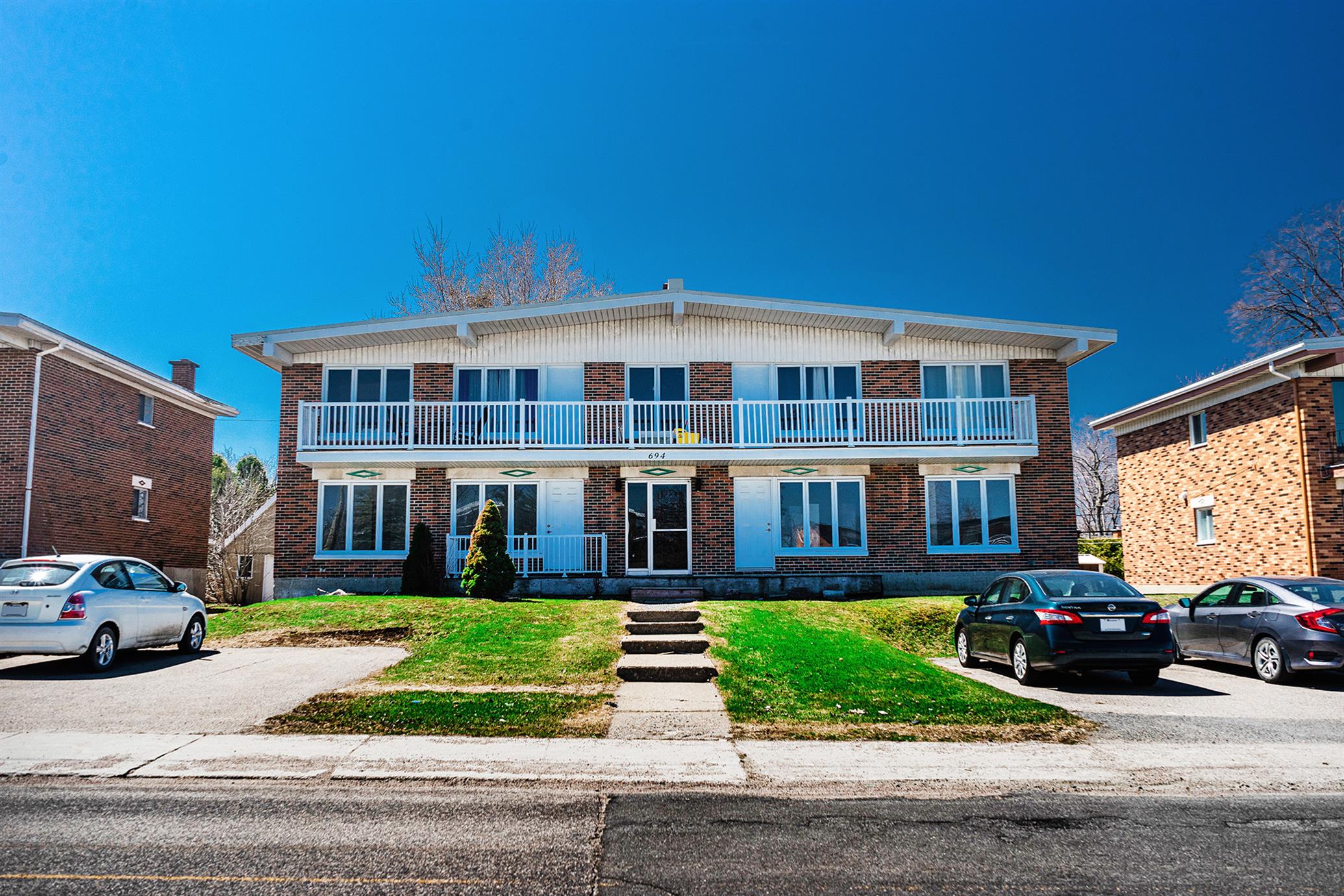
Searching for a home in today’s market can feel overwhelming. Inventory moves fast, competition among buyers is fierce, and the pressure to make quick decisions on what is often the largest purchase of your life can lead to regret. The good news is that with the right approach and the right team behind you, finding a home that genuinely fits your life — your budget, your goals, and your future — is entirely achievable.
At Frederic Murray Homes, we work with buyers every day who come to us frustrated by the process. By the time they close, they consistently say the same thing: they wish they had done it this way from the start. This guide gives you exactly that roadmap.

Start With Needs, Not Wants
Every successful home search begins with brutal honesty about what you actually need versus what you simply want. These two lists are rarely the same, and confusing them is one of the most common reasons buyers end up either overpaying or settling for something that frustrates them within a year.
Your needs list should be non-negotiable:
- Number of bedrooms required for your household
- Proximity to work, schools, or healthcare
- Accessibility requirements for any household member
- Parking and transportation access
- Budget ceiling you genuinely cannot exceed
Your wants list is everything else — the home office, the chef’s kitchen, the finished basement, the large backyard. These are features you would love to have but can live without if a property checks every box on your needs list.
Once you have both lists clearly defined, you can evaluate every property against them efficiently and without emotional noise clouding your judgment.
Know Your Numbers Before You Search
One of the most common mistakes buyers make is beginning their search before they have a clear understanding of their financial position. Shopping for homes without confirmed financing is not just inefficient — it is emotionally risky. You may fall in love with a property you are not yet positioned to pursue, and that experience can distort your expectations for everything that follows.
Before you view a single listing, you should have:
- A pre-approval letter from a lender (not just a pre-qualification estimate)
- A clear understanding of your total monthly commitment including taxes, insurance, and maintenance
- A realistic calculation of your down payment and closing cost reserves
- A sense of how long you plan to own the property, as this affects which type of financing makes the most sense
The Frederic Murray Homes team connects buyers with trusted financial advisors who specialize in residential property financing, ensuring you go into every showing with clarity and confidence.

Understanding What Drives Home Prices in Your Target Area
Price per square foot is a starting point, but it is rarely the full story. Two homes on the same street can be priced very differently based on factors that are not immediately visible during a showing.
Key drivers of residential home pricing include:
School District Quality In family-oriented neighbourhoods, school district ratings have a direct and measurable impact on property values. Even buyers without school-age children benefit from this premium when it comes time to sell.
Lot Orientation and Privacy South-facing lots, corner positions, and properties backing onto green space or water command premiums. Conversely, homes adjacent to high-traffic roads, commercial properties, or backing onto utility corridors are typically discounted.
Age and Condition of Core Systems A beautifully staged home with an aging roof, outdated electrical panel, or original plumbing is a home with hidden costs. The purchase price is only part of the calculation. Ask specifically about the age of the roof, furnace, air conditioning system, water heater, and windows.
Recent Comparable Sales Your agent should provide you with a comparative market analysis before you make any offer. At Frederic Murray Homes, this is a standard step in our buyer process — we never let clients go into a negotiation without knowing exactly what the market data says.
The Showing Process: What to Actually Look At
Most buyers spend their showing time looking at finishes — paint colors, light fixtures, flooring. These are the easiest and least expensive things to change. What you should be examining instead:
- Natural light throughout the day: A home that feels bright at noon may feel dark and cold by late afternoon depending on its orientation
- Ceiling heights and room proportions: These are structural and cannot be changed without significant cost
- Storage: Built-in storage is undervalued until you move in and discover there is nowhere for anything to go
- Flow and layout: How do the rooms connect? Is the primary bedroom separated from living areas for noise control? Is the kitchen positioned so you can supervise children in adjacent areas?
- Basement and attic condition: Water staining, efflorescence on foundation walls, or signs of past moisture intrusion are red flags that require further investigation before proceeding
- Exterior drainage: Water that flows toward the foundation rather than away from it is one of the most expensive problems in residential real estate
Bring a notepad and photograph every concern. After three or four showings, details blur together. Documentation keeps your assessment accurate.
Making a Competitive Offer
When you find the right home, hesitation is expensive. In active markets, well-priced homes in desirable neighbourhoods attract multiple offers quickly. Being prepared to act decisively — while still protecting yourself — is a skill your agent should help you develop.
A competitive offer is not simply the highest number. Sellers consider several factors:
- Closing timeline: Can you close on the seller’s preferred date? Flexibility here can be worth thousands without costing you a dollar
- Conditions: Fewer conditions make your offer cleaner. A pre-inspection prior to offer, rather than as a condition, is increasingly common in competitive markets
- Deposit amount: A larger deposit signals financial seriousness and reduces perceived risk for the seller
- Personal letter: In some transactions, a brief letter from the buyer to the seller — describing why you love the home and how you plan to use it — creates an emotional connection that influences the decision when offers are otherwise comparable
At Frederic Murray Homes, our agents have experience structuring offers that win without unnecessarily overpaying. We also work closely with Frederic Murray Properties for buyers who are considering both residential homes and investment properties simultaneously, ensuring a coordinated approach to your full real estate strategy.

Inspections and What to Do With the Results
Once your offer is accepted, the home inspection is one of your most valuable tools. A thorough inspection by a qualified, independent inspector will surface issues that were invisible during your showing and protect you from inheriting serious problems.
When the inspection report comes back, resist the impulse to panic at every finding. Inspectors are trained to document everything, and even well-maintained homes will have a list of items. The key is to separate:
- Safety concerns (electrical hazards, structural issues, gas line problems) — these are non-negotiable and must be addressed
- Major capital items (roof, HVAC, foundation) — these require cost estimates and may justify renegotiation
- Minor maintenance items — normal wear that is the buyer’s responsibility after purchase
Your agent should help you prioritize the inspection findings and advise on whether to request remediation, a price adjustment, or a credit at closing.
Thinking Beyond the Purchase
A home is not just where you live — it is a long-term asset. Even if you are not buying with the intention to sell in the near future, purchasing decisions made today affect your financial flexibility years from now.
Consider resale value when evaluating any property. Unusual layouts, proximity to unfavorable land uses, non-conforming lot sizes, and deferred maintenance all affect your eventual exit. A home that works perfectly for your life today but is difficult to resell in a decade is a liability, not an asset.
For buyers who are also interested in rental income or investment properties alongside their primary home purchase, Frederic Murray Rentals and Frederic Murray Management offer services that make owning income-producing real estate straightforward and professionally managed.
The right home is out there. The right process gets you there faster, more confidently, and with fewer regrets. The Frederic Murray Homes team is ready to begin that process with you today.