Quebec City has quietly become one of the most attractive destinations for Canadians and newcomers looking to relocate in 2026. Housing remains affordable by national standards, the quality of life consistently ranks among the country’s best, and the economy has diversified well beyond its government base. For buyers arriving from Toronto, Vancouver, Calgary, or even from outside Canada, the city offers a real-estate landscape unlike anywhere else in North America. But buying a home here requires understanding factors that locals take for granted and that newcomers often miss until it costs them.
Why So Many Canadians Are Moving to Quebec City in 2026
The math is simple. A family selling a modest home in the Greater Toronto Area or Vancouver’s Lower Mainland can often buy an outstanding property in Quebec City and still have significant capital left over. But the appeal goes beyond affordability.
Frédéric Murray, who has watched relocation trends in the capital for nearly two decades, observes that newcomers in 2026 typically arrive for one of three reasons:
- Affordability arbitrage — converting equity from expensive markets into better living conditions and remaining capital.
- Lifestyle improvement — shorter commutes, walkable neighborhoods, lower crime, better access to nature.
- Career mobility — Quebec City’s growing technology, insurance, and government sectors are attracting professionals who would not have considered the city even five years ago.
What Makes the 2026 Market Different
The market this year is more balanced than it has been in some time. Inventory has recovered from the historic lows of 2022 and 2023, mortgage rates have stabilized after several cycles of pressure, and sellers are once again negotiating realistically. For incoming buyers, this means a calmer purchasing environment without the bidding wars that defined recent years.
Understanding Quebec City’s Geography and Neighborhoods
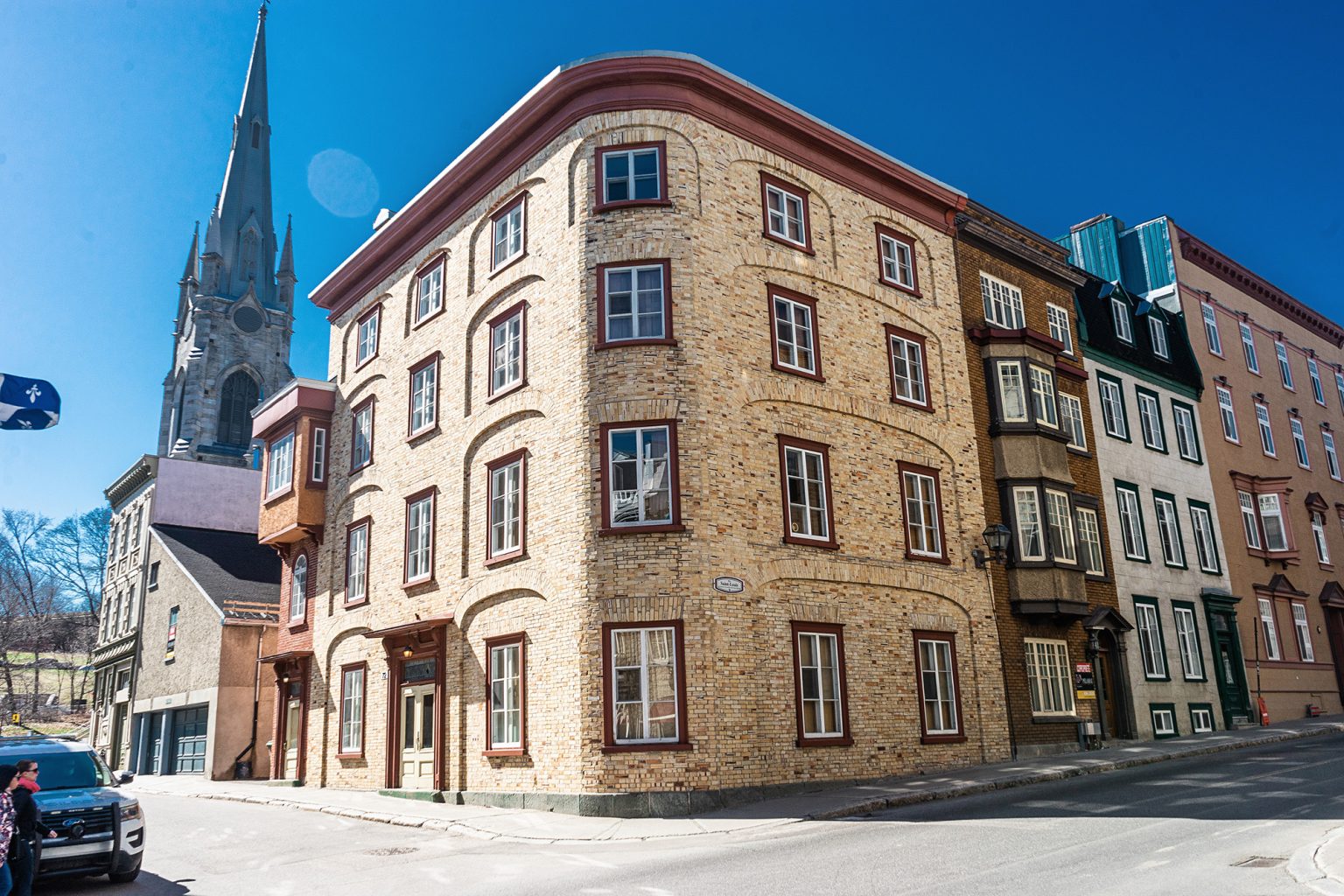
One of the first surprises for newcomers is how distinct each Quebec City neighborhood feels. Unlike sprawling suburban cities where one subdivision blends into the next, Quebec City is a collection of clearly defined districts, each with its own character, price range, and lifestyle profile.
Sainte-Foy and Sillery
The favorite of relocating families. Excellent schools (including English-language options), large shopping centers, proximity to Université Laval, and easy access to Highway 20 and the Pierre-Laporte Bridge. Single-family homes here typically range from $450,000 to $900,000 in 2026, with luxury properties exceeding $1.5 million.
Cap-Rouge and Saint-Augustin
A bit further west, offering more space, larger lots, and a suburban feel while remaining within a 20-minute drive of downtown. Popular with families seeking newer homes and access to nature.
Charlesbourg and Beauport
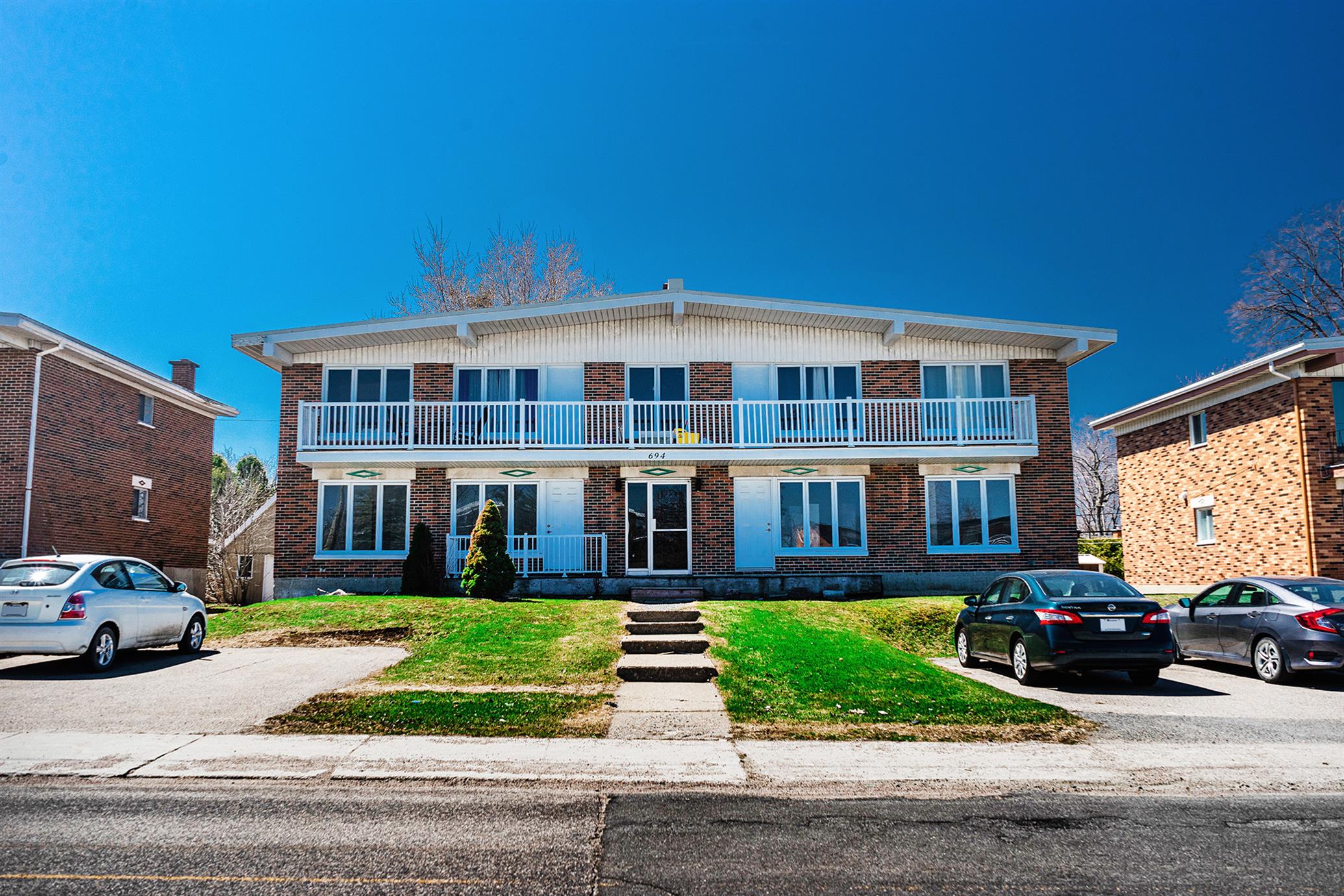
North and east of the urban core, these districts offer the best value for first-time buyers and growing families. Prices remain accessible while the quality of life is excellent. Homes in the $350,000 to $550,000 range are common in 2026.
Limoilou and Saint-Roch
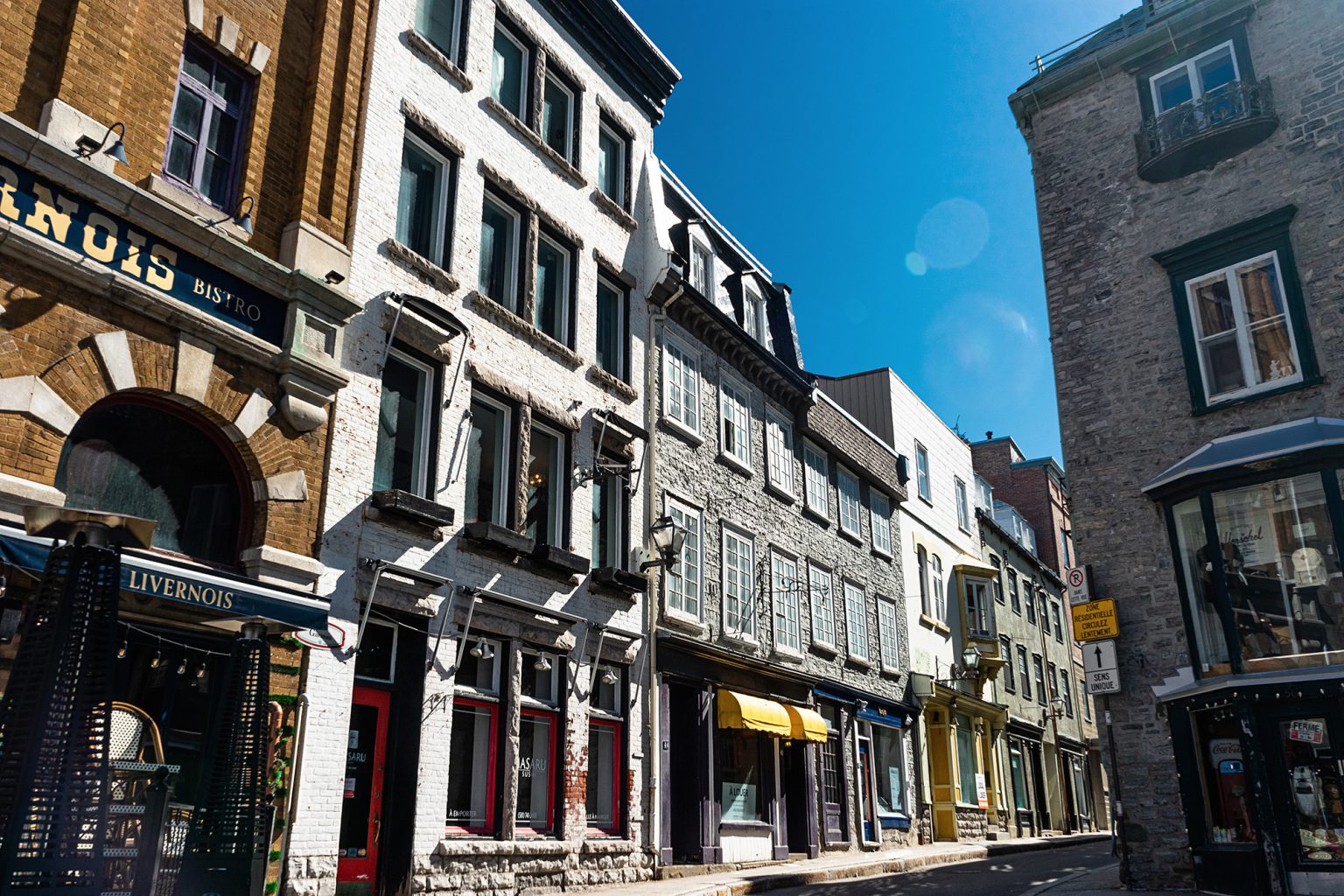
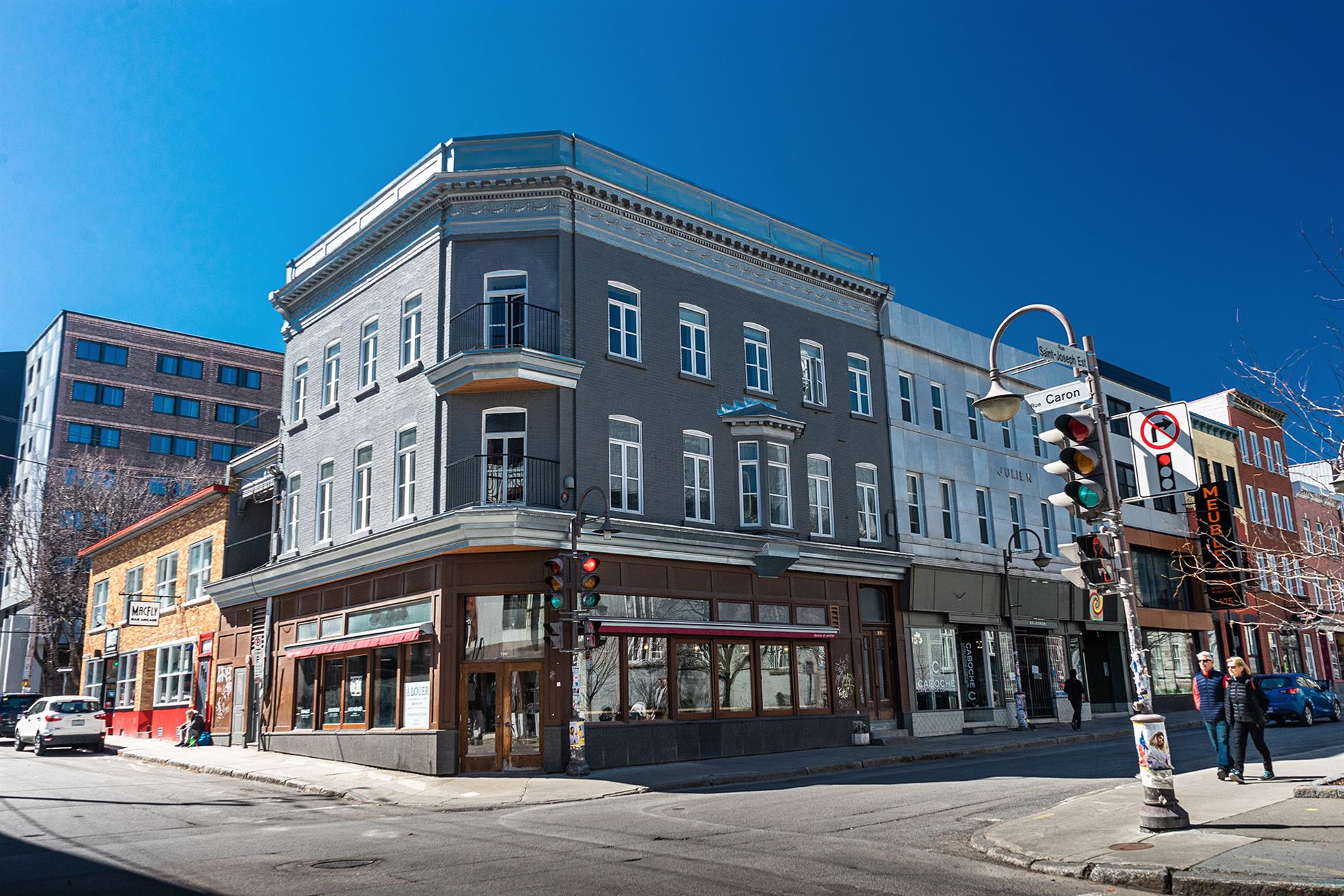
Urban, walkable, and culturally vibrant. Popular with younger buyers, creative professionals, and those who want to live without a car. Heritage homes, triplexes, and condos dominate. Prices have appreciated significantly but remain reasonable by Canadian standards.
Montcalm and Saint-Jean-Baptiste
The premium urban districts. Heritage character, walking access to the Plains of Abraham and Old Quebec, top restaurants and culture. Expect to pay a premium, but values have proven remarkably resilient.
What Newcomers Need to Know About Buying Here
The Quebec home-buying process differs from other Canadian provinces in several important ways. Knowing these differences in advance saves time, money, and frustration.
The Notary Replaces the Lawyer
In Quebec, real estate transactions close through a notary, not a lawyer. The notary is a neutral legal officer who serves both parties, prepares all documents, conducts title searches, and registers the deed. Notarial fees are typically $1,200 to $2,500.
The Welcome Tax
Every property purchase in Quebec triggers a one-time transfer tax (commonly called the “welcome tax” or taxe de bienvenue). It is calculated on a sliding scale based on purchase price and is paid to the municipality a few months after closing. On a $500,000 home in Quebec City, expect roughly $6,000 to $7,000.
Inclusions and the Promise to Purchase
Quebec’s promise to purchase document is binding and detailed. It lists every inclusion (appliances, fixtures, window treatments), every condition, and every deadline. Read it line by line before signing. Once accepted, it carries real legal weight.
Inspections Are Standard Again
After several years where buyers waived inspections to win bidding wars, inspections returned to most transactions in 2025 and remain standard in 2026. Use a certified inspector familiar with Quebec construction, especially for older properties where foundation, pyrite, and vermiculite issues can hide expensive surprises.
School Boundaries
If education matters to your relocation decision, verify school catchment areas before making an offer. Quebec has linguistic school boards (French and English), and English-language eligibility is restricted by provincial law. This catches many newcomers off guard.
Financial Realities for Out-of-Province Buyers
Mortgage approval works the same way across Canada, but there are practical wrinkles that newcomers encounter.
Mortgage Pre-Approval Before You Arrive
Get pre-approved by a lender familiar with cross-province transactions before you start touring properties. Mortgage stress tests still apply in 2026, and your debt service ratios must work for the lender.
Down Payment Source Documentation
If your down payment comes from selling a home in another province, expect documentation requirements. Lenders want to trace the funds, sometimes 90 days back. Plan accordingly.
Closing Costs Beyond the Welcome Tax
Budget approximately 1.5% to 2% of purchase price for total closing costs in Quebec, including notary fees, the welcome tax, prorated property taxes, home inspection, moving expenses, and immediate post-move costs (utilities setup, basic repairs, possibly new appliances).
Property Tax Differences
Quebec City property tax rates are competitive with most Canadian cities, but they include both municipal and school tax components. Annual rates typically range from 0.85% to 1.15% of assessment value depending on borough.
Common Mistakes Newcomers Make
Most relocation purchases work out well. The ones that go badly usually share a few preventable mistakes.
- Buying before living in the city for a week or two. What looks good on paper sometimes does not match how you actually want to live.
- Ignoring winter realities. Driveway orientation, snow removal access, exterior staircases, and roof angles all matter more than newcomers expect.
- Underestimating French. While many Quebec City professionals work in English, daily life flows almost entirely in French. This affects schools, services, social integration, and how easily you build a network.
- Choosing based on similarity to your old neighborhood. Quebec City offers something different. Buyers who try to recreate Mississauga or North Vancouver here often miss the city’s real strengths.
- Skipping the inspection on heritage or older properties. The savings are never worth the risk on buildings over 50 years old.
How a Local Expert Changes Your Relocation Experience
Buying a home from outside the province introduces complications that even experienced buyers find unfamiliar. Language, legal differences, neighborhood dynamics, school options, and contractor networks all favor those who arrive with local guidance already in place.
The Groupe Murray, under the leadership of Frédéric Murray, has helped relocating buyers navigate Quebec City’s real estate market for nearly two decades. With deep knowledge of every neighborhood across the capital and connections that extend from notaries to inspectors to contractors, the team provides the kind of insider perspective that out-of-town buyers cannot easily build on their own. Whether you are considering a single-family home in Sainte-Foy, a heritage condo near the Plains, or an income property to supplement your residence, contacting Frédéric Murray and his team gives you a head start that pays dividends throughout your transition.
For buyers also considering rental investments alongside their primary residence, the expertise of Frederic Murray Rentals and Frederic Murray Management can transform a simple move into a strategic wealth-building decision.