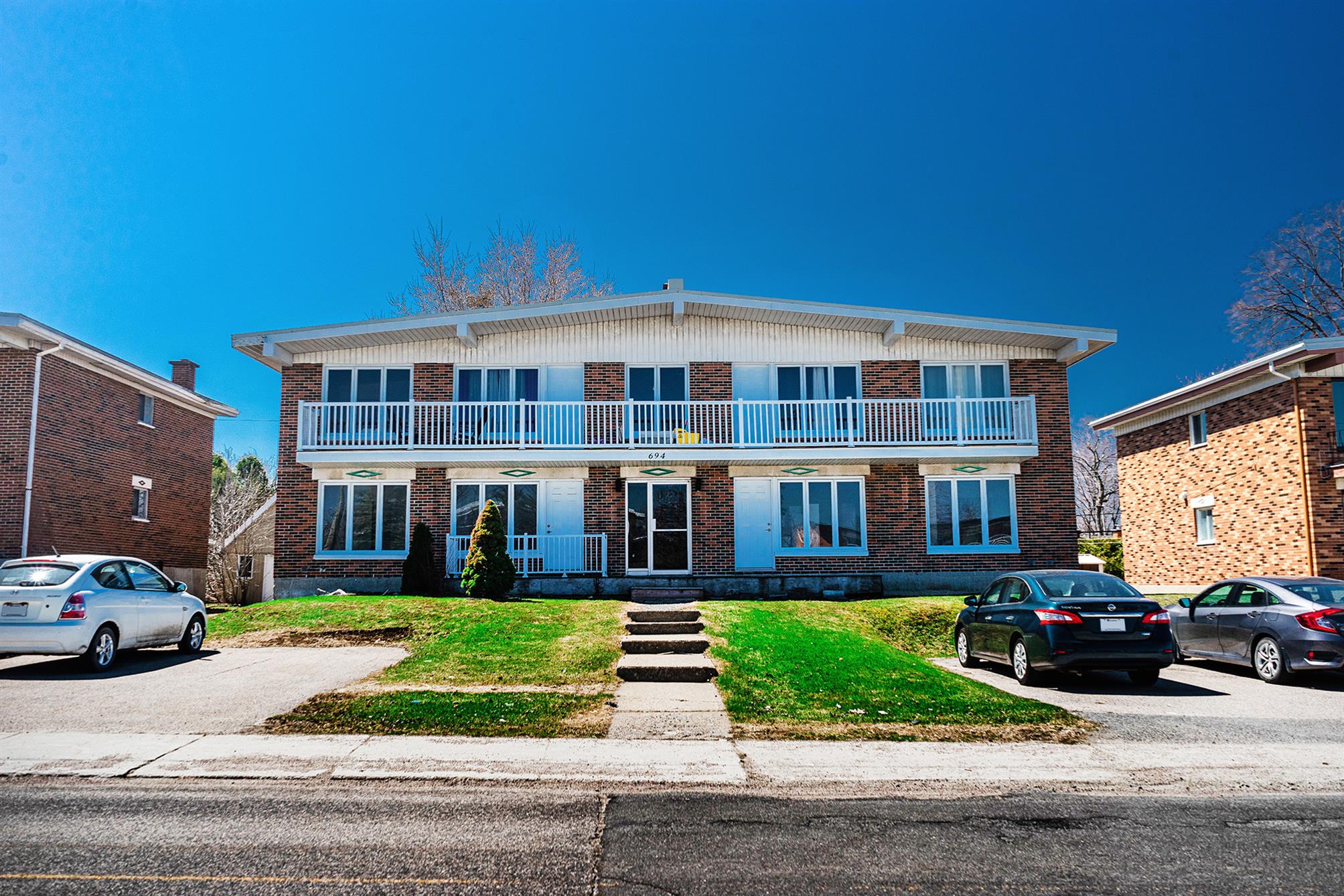
Buying a home in Quebec City in 2026 means navigating a market that has tightened in the desirable mid-range, loosened slightly at the entry level, and rewarded buyers who arrive prepared. If you are weighing a purchase this year, the short answer is that good opportunities still exist — but the buyers winning them are the ones who understand the process, the neighborhoods, and the financing landscape before they start touring properties.
This roadmap covers what is actually happening in the Quebec City residential market this year, the financing rules that matter most for 2026 buyers, the neighborhoods worth a closer look depending on lifestyle, and the steps that consistently separate confident purchases from regretful ones.
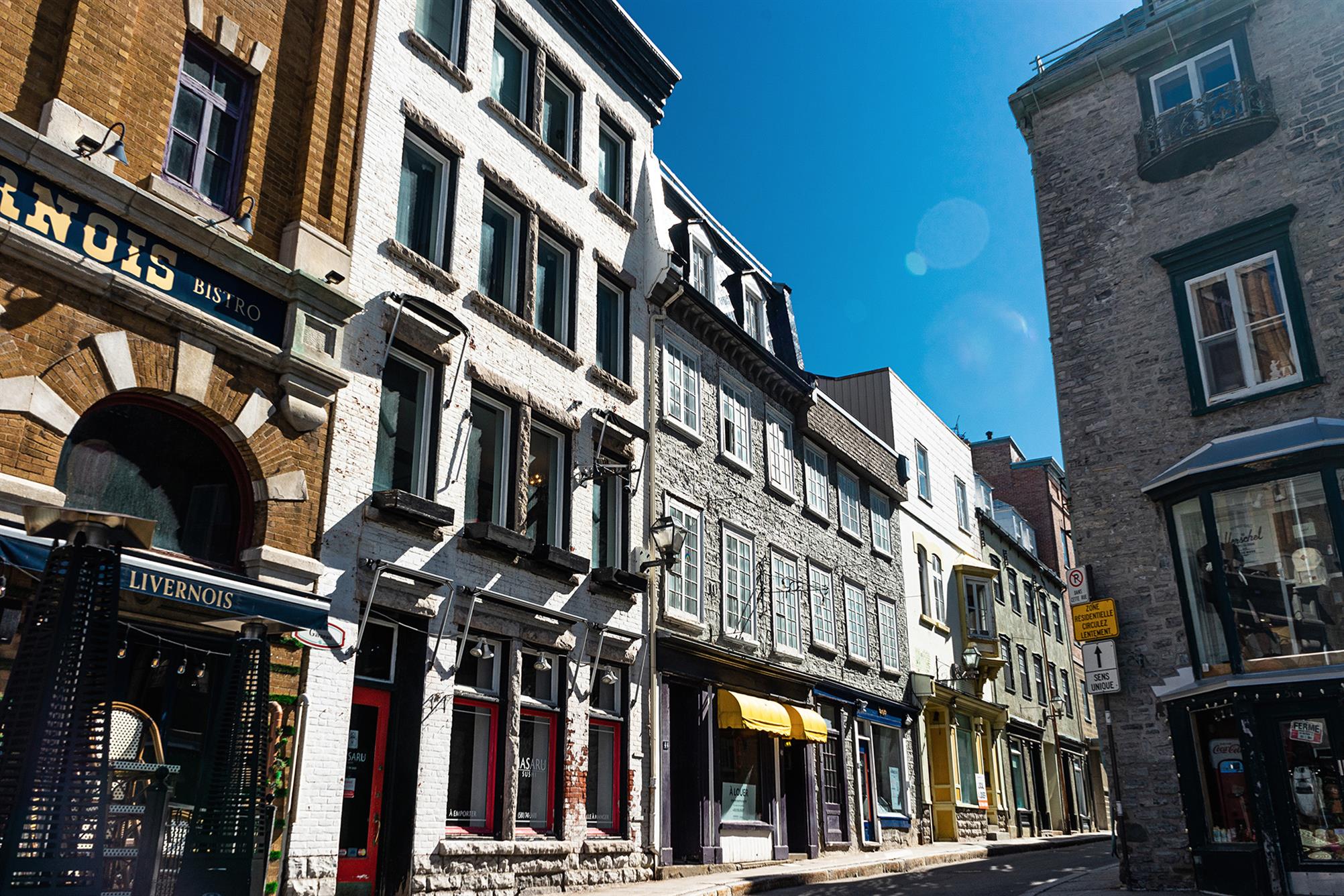
The Quebec City Residential Market Right Now
The 2026 market has settled into a clearer rhythm than the volatility of the previous three years. Several patterns stand out.
Inventory in the $350,000–$550,000 range — the heart of the first-time buyer segment — is moving quickly. Well-priced homes in turnkey condition often see multiple offers within the first ten days. Homes that need significant work, on the other hand, are sitting longer than they did during the peak years, which means there is room to negotiate if you have the appetite for renovation.
The move-up segment between $600,000 and $900,000 has rebalanced. Sellers no longer expect to dictate terms, and buyers no longer feel pressured to waive every condition. Inspections, financing clauses, and reasonable closing timelines are back as part of normal offer structure.
Interest rates have stabilized compared to the swings of 2023 and 2024, but borrowing costs are still meaningfully higher than the pre-2022 era. This shapes affordability more than any other factor, which makes pre-approval and a realistic budget the single most important preparation step for any 2026 buyer.
What Types of Homes Are Selling — and Which Are Sitting
In a quieter market, the gap between in-demand and out-of-favor properties widens. Knowing which side a home sits on protects you from overpaying.
Moving quickly in 2026:
- Single-family homes with three or more bedrooms in established neighborhoods
- Properties with finished basements, dedicated home-office space, or income-suite potential
- Homes within walking distance of strong elementary schools
- Move-in-ready condos in central Quebec City for downsizers and young professionals
Sitting longer:
- Homes priced aspirationally rather than to the comparables
- Properties with deferred maintenance and no price discount to reflect it
- Older condos in buildings with weak reserve funds or pending special assessments
- Homes in flood or erosion zones without recent mitigation work
The cleanest rule is this: a home that is realistically priced, well presented, and free of obvious deferred maintenance will sell. A home missing any of those three almost always needs a price adjustment.
Financing Realities Every 2026 Buyer Should Understand
Affordability calculations have changed enough that older rules of thumb no longer apply. A few essentials:
The stress test still governs. Federal stress-test rules require you to qualify at a rate higher than your contract rate. Plan your budget around the qualifying rate, not the rate you hope to negotiate.
The First Home Savings Account is worth using. Contributions are tax-deductible, and qualifying withdrawals are tax-free. For first-time buyers, it is one of the most efficient tools available in 2026.
Down payment thresholds are unchanged but consequential. Five percent on the first $500,000, ten percent on the portion between $500,000 and $1.5M, and twenty percent above that. Mortgage insurance kicks in below twenty percent and adds meaningfully to your monthly cost.
Quebec-specific programs change periodically. Provincial incentives for first-time buyers, energy-efficiency retrofits, and family transfers exist in some form, but the details shift. A mortgage broker familiar with the Quebec landscape is worth the conversation.
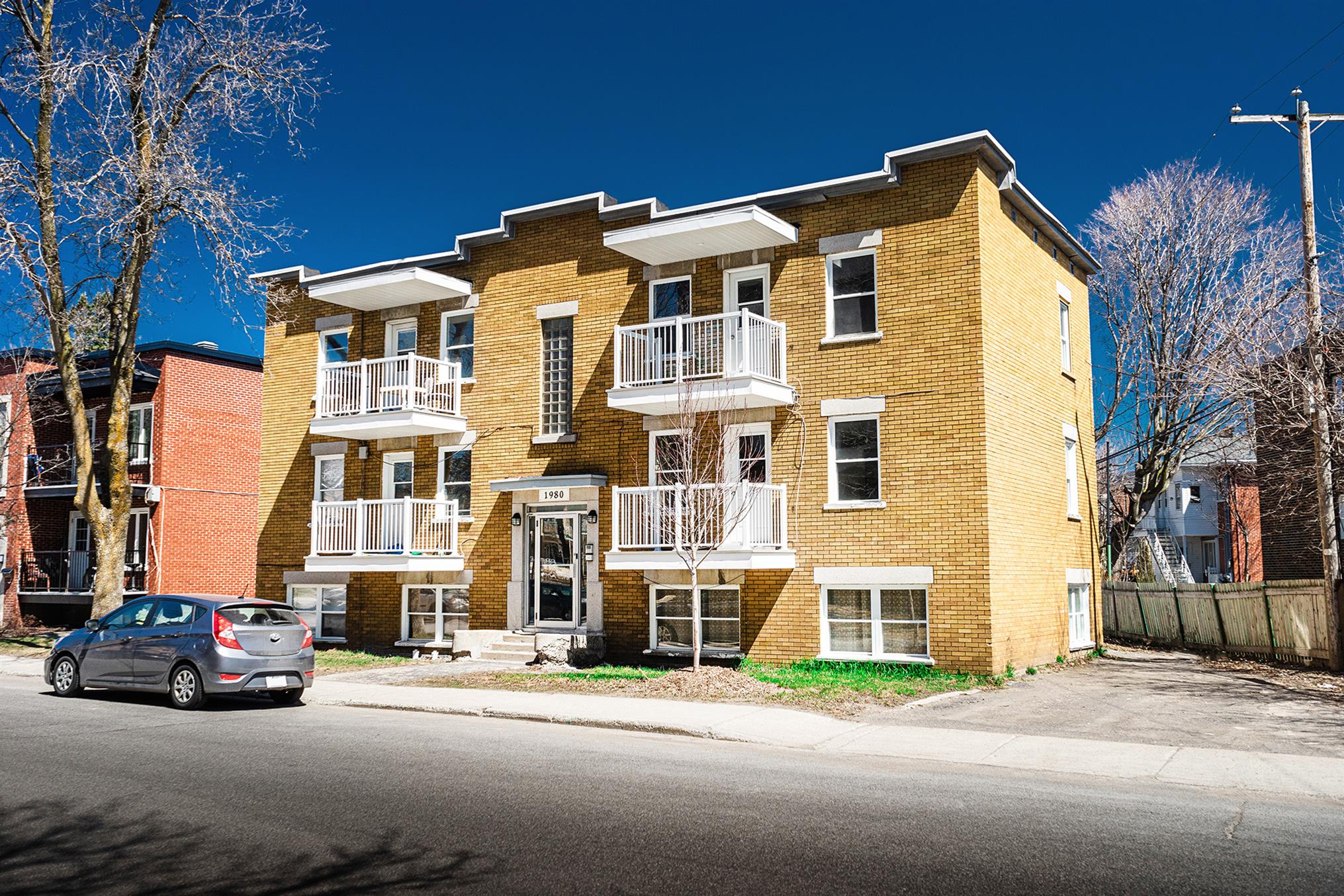
Neighborhoods Worth a Closer Look by Lifestyle
Quebec City rewards buyers who match the neighborhood to the life they actually want, not the one a glossy listing photo suggests.
For young professionals and first-time buyers:
- Limoilou — Walkable, increasingly vibrant, with rowhouses and duplexes still accessible to first-time budgets in some pockets.
- Saint-Sauveur — Strong value, active commercial street life, and ongoing neighborhood investment.
- Saint-Roch — Urban living with the largest job concentration outside downtown.
For growing families:
- Sainte-Foy — Strong schools, university proximity, and a steady supply of larger family homes.
- Charlesbourg — More space per dollar, family-friendly amenities, and good highway access.
- Beauport — A value-forward suburban option with mature neighborhoods and shorter commutes than buyers expect.
For downsizers and pre-retirees:
- Montcalm and Saint-Jean-Baptiste — Walkable urban living, condo options, and proximity to culture and healthcare.
- Cap-Rouge — Quieter, riverfront-adjacent, and increasingly popular for buyers leaving larger family homes.
Buyers comparing single-family ownership with the option of renting before committing to a neighborhood often find the rental analysis at Frédéric Murray Rentals and Frédéric Murray Location useful for that decision.
The Buying Process in Quebec — What to Expect Step by Step
Quebec’s buying process differs from other Canadian provinces in a few important ways. The big one: closings happen at a notary, not at a real estate lawyer’s office.
A condensed version of the path:
- Get pre-approved. This anchors your budget and signals seriousness to sellers.
- Define your priorities in writing. Neighborhood, size, must-haves, deal-breakers.
- Tour with discipline. Set a target of three to seven serious visits per round, not twenty casual ones.
- Make a structured offer. Include realistic conditions for inspection and financing, and a closing date that works for both sides.
- Schedule the inspection promptly. A qualified inspector identifies issues that affect both safety and resale.
- Coordinate with your notary. The notary handles title, document preparation, and fund transfers.
- Do a final walkthrough. Confirm condition and that agreed inclusions remain.
- Sign and receive your keys on closing day.
Most well-prepared transactions take 45 to 75 days from accepted offer to keys. Rushing this timeline almost always costs more than it saves.
Common Mistakes That Quietly Cost Buyers Money
After years of guiding clients through Quebec City purchases, the same handful of mistakes recur:
- Falling for the first listing they see emotionally. Anchoring to one property too early distorts every comparison that follows.
- Skipping the inspection on a “newer” home. Builder warranties have limits, and even ten-year-old homes can carry expensive issues.
- Underestimating closing costs. Welcome tax, notary fees, inspection, adjustments, and moving expenses commonly add three to four percent to the purchase price.
- Ignoring the carrying cost beyond the mortgage. Property taxes, insurance, condo fees, heating, and maintenance all need to fit comfortably within your monthly budget.
- Choosing a generalist when the property is unusual. Heritage homes, multi-unit conversions, and properties with land specifics need a team familiar with the segment.
How to Position Yourself Well for a 2026 Purchase
The buyers who consistently close on the right property — not just any property — share three habits.
They prepare before they tour, with pre-approval, a defined wish list, and a clear budget that accounts for total carrying cost rather than just monthly mortgage.
They trust the comparables over the asking price. A home is worth what similar homes are actually selling for, not what an optimistic listing suggests.
They work with a team that knows the local segment cold. Whether you are buying a starter home, a move-up family property, or considering a small income property like those covered at Frédéric Murray Immeubles, local segment expertise consistently outperforms general market knowledge.
If you are considering a Quebec City home purchase in 2026 and would like a straightforward conversation about your options, the Frédéric Murray Homes team is available to help you map the realistic path from where you are now to the keys in your hand.