The way Canadians choose where to live has fundamentally shifted in 2026. While property size and interior finishes still matter, buyers across the country are placing far greater weight on what exists outside the front door. Walkability scores, access to green spaces, proximity to transit, and the overall livability of a neighborhood are now among the top deciding factors for homebuyers at every price point. Understanding these priorities is essential for anyone entering the residential market this year.
Walkability and Daily Convenience
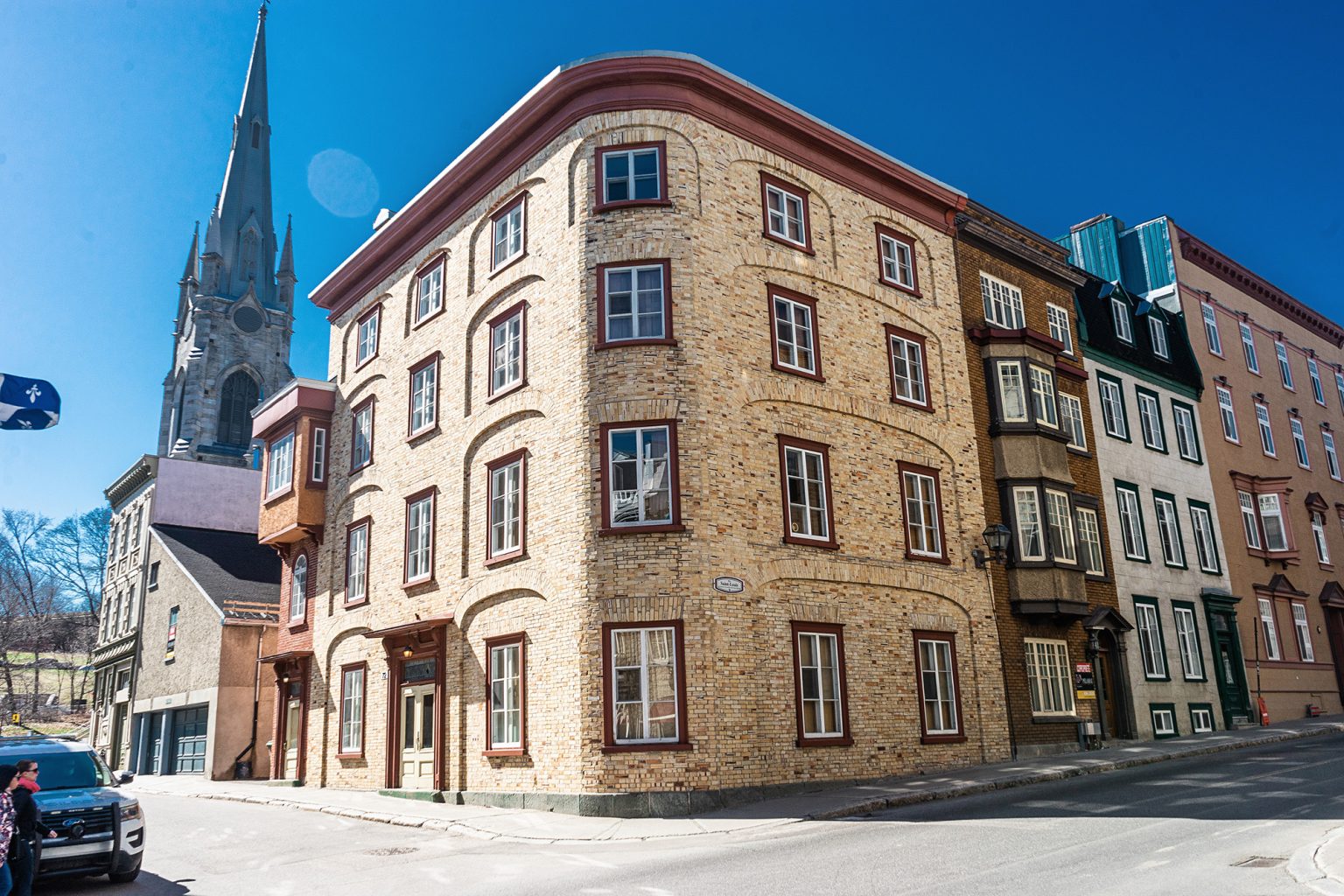
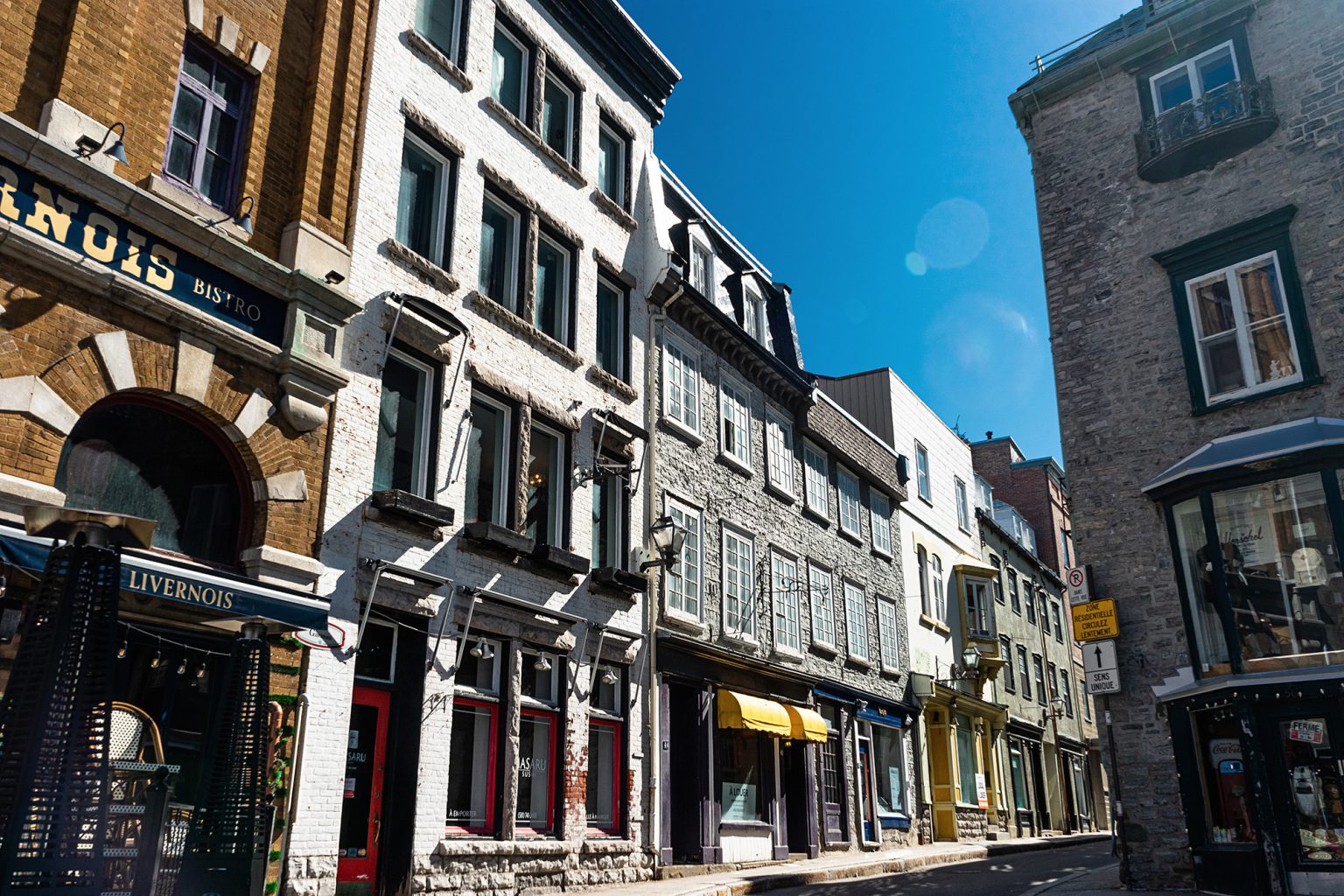
Neighborhoods where residents can walk to grocery stores, pharmacies, cafés, and other daily essentials are commanding stronger demand than car-dependent suburbs. This trend is particularly visible in Quebec’s urban centers, where historic neighborhoods already offer compact, walkable layouts that newer developments struggle to replicate.
Buyers working with firms like Frédéric Murray Estates have increasingly noted that walkability is no longer a bonus feature but a baseline expectation. The reasoning is both practical and financial. Households in walkable areas spend significantly less on transportation annually, and properties in these zones tend to hold their value more consistently during market slowdowns.
Access to Public Transit and Commuter Infrastructure
Remote and hybrid work arrangements have reshaped commuting patterns, but they have not eliminated the need for transit access. In 2026, buyers want options. A home situated near a reliable bus route, commuter rail station, or bike-sharing network offers flexibility that purely car-dependent properties cannot match.
Cities investing in transit expansion are seeing direct benefits in their residential markets. Quebec City’s ongoing improvements to its public transit network have made certain neighborhoods more attractive to younger buyers and families who want to reduce their reliance on personal vehicles. Resources from platforms like Frédéric Murray Properties highlight how transit proximity is influencing property values in these evolving corridors.
Green Spaces and Outdoor Recreation
Parks, riverside trails, community gardens, and forested areas adjacent to residential neighborhoods have become powerful differentiators. The pandemic era permanently elevated the importance of outdoor access, and in 2026, buyers continue to treat proximity to nature as a non-negotiable feature.
For families with children, nearby parks and playgrounds directly impact daily quality of life. For retirees and remote workers, access to walking trails and quiet green spaces supports both physical health and mental wellbeing. Properties near well-maintained green infrastructure, such as those found in neighborhoods served by Frederic Murray Rentals, consistently attract stronger interest from prospective tenants and buyers alike.
Community Safety and Social Infrastructure
Buyers in 2026 are researching neighborhoods more thoroughly than ever before. Online crime mapping tools, community forums, and municipal transparency reports give prospective homeowners detailed insights into safety trends at the street level. Beyond crime statistics, buyers are also evaluating social infrastructure, including the presence of community centers, libraries, and local organizations that foster neighborhood connections.
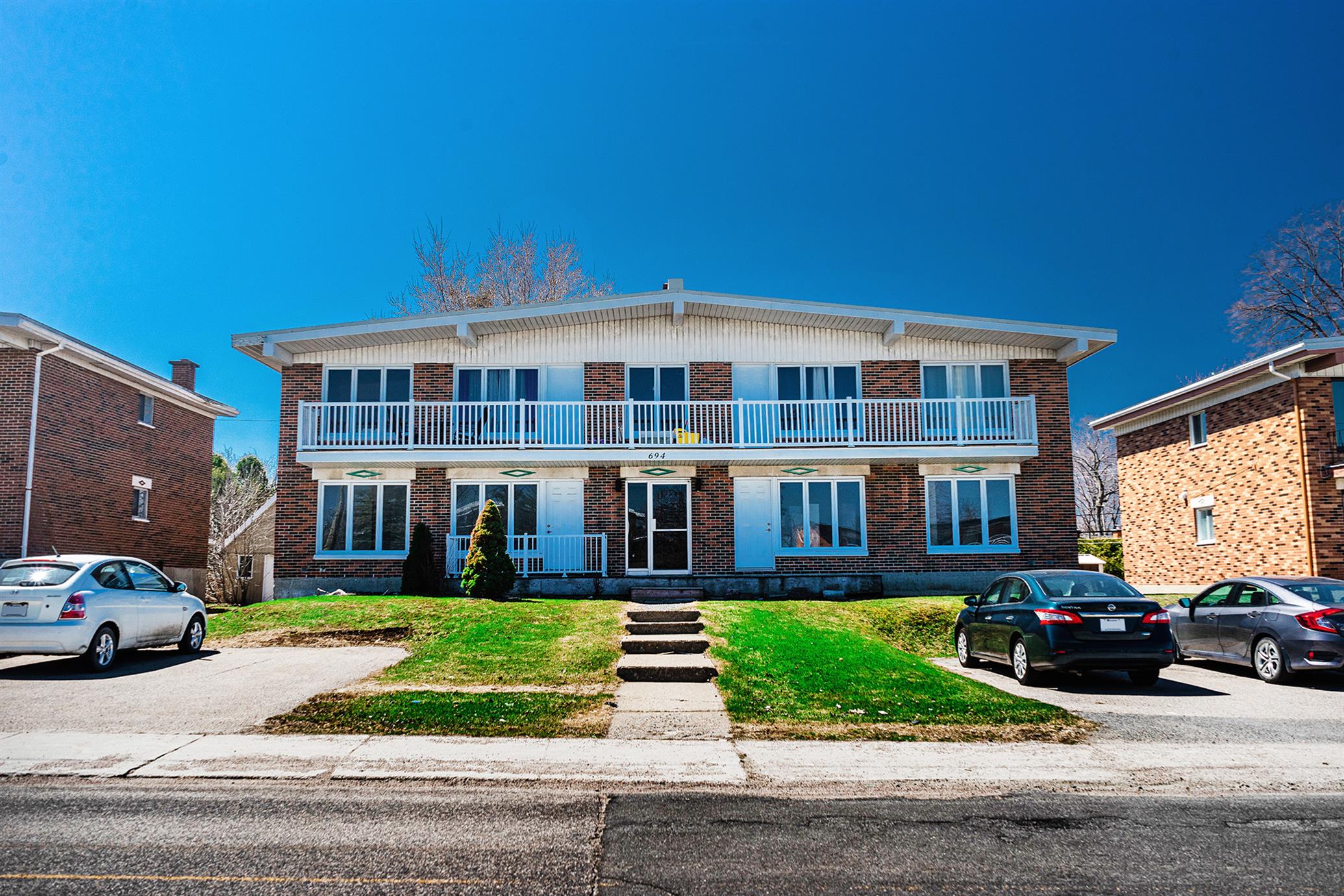
This is especially relevant for buyers looking at multi-unit residential buildings. Landlords and property managers who invest in community-building within their buildings, such as those at Frédéric Murray Management, find that tenant retention improves when the surrounding neighborhood supports an active, connected lifestyle.
School Quality and Family-Oriented Amenities
For buyers with school-age children, the quality and proximity of schools remain a dominant factor. In 2026, this extends beyond academic rankings to include extracurricular programs, school infrastructure condition, and language of instruction options, a particularly relevant consideration in Quebec where both French and English programs serve different family needs.
Neighborhoods that combine strong school options with family-friendly amenities like swimming pools, sports leagues, and cultural programming tend to see the strongest demand from buyers in the 25 to 45 age bracket. The residential listings featured through Frédéric Murray Location often emphasize these family-oriented features when marketing properties in established Quebec neighborhoods.
Local Business Ecosystem and Employment Proximity
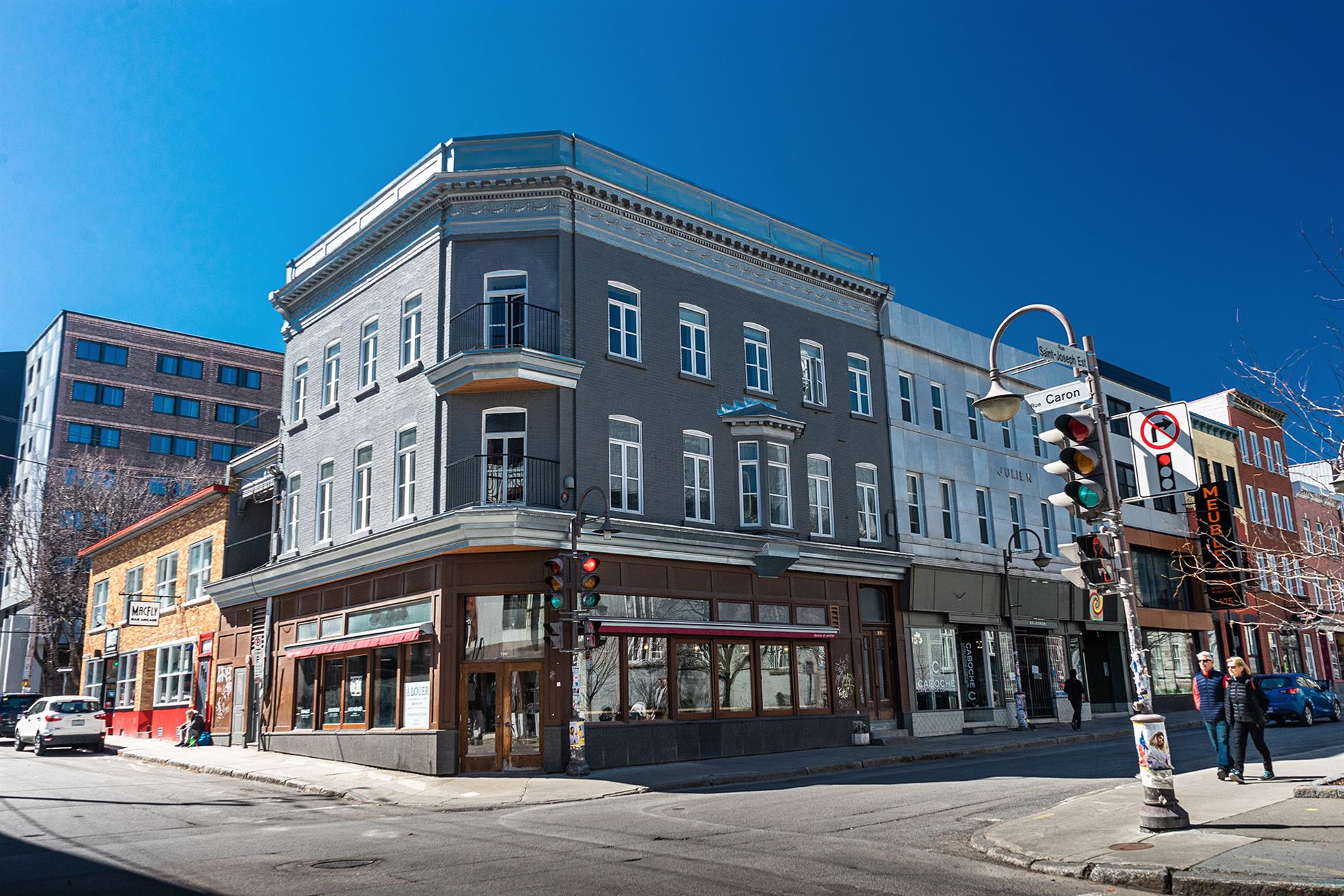
A neighborhood with a thriving local business scene signals economic health and long-term stability. Buyers pay attention to whether storefronts are occupied, whether new businesses are opening, and whether the area attracts entrepreneurial investment. A vibrant local economy supports property values and creates a more engaging living environment.
Employment proximity also factors into decisions, even for remote workers. Being within reasonable distance of coworking spaces, business hubs, or major employers provides a safety net and social outlet. Multi-unit property investors, including those tracked through platforms like Murray Immeuble and Murray Immeubles, often target neighborhoods with growing commercial activity because tenant demand follows job creation.
Infrastructure Investment and Future Development
Smart homebuyers in 2026 are not just evaluating what a neighborhood looks like today but what it will become in five to ten years. Municipal development plans, zoning changes, and infrastructure investment announcements are all signals that a neighborhood is on an upward trajectory.
Buyers who track these developments gain a competitive advantage. A neighborhood receiving a new community center, improved road access, or expanded transit service is likely to see property values rise in the coming years. Staying informed through real estate news outlets and local resources like Frédéric Murray Immeubles can help buyers identify these opportunities before they become widely recognized.
The homebuying landscape in Canada has evolved well beyond comparing listing photos and price per square foot. In 2026, the neighborhood itself is the product, and buyers who evaluate community features with the same rigor they apply to the property itself are making the strongest investments.